7 MW Solar Project in Deola to Deliver Reliable Daytime Electricity for Agricultural Consumers – EQ




In Short : A new 7 MW solar power project in Deola will provide dedicated daytime electricity to farmers, improving irrigation reliability and reducing dependence on conventional power supply. The initiative aims to support agricultural productivity, lower subsidy burdens, and promote clean energy adoption. The project aligns with feeder-level solarization efforts designed to ensure stable daytime power for rural and farming communities.
In Detail : A new 7 MW solar power project is being developed in Deola to supply reliable daytime electricity to farmers, addressing one of the major challenges faced by agricultural consumers. The project is designed to ensure that irrigation and farm operations can be carried out during daylight hours, reducing dependence on erratic or night-time grid supply.
The solar plant will be connected to an agricultural feeder, enabling dedicated power supply to rural consumers. This feeder-level approach allows electricity generated from the solar facility to be directly utilized by farmers, minimizing transmission losses and improving supply quality across the region.
Daytime solar-based power is expected to significantly improve irrigation planning and farm productivity. Farmers often receive electricity late at night, which creates operational difficulties and safety concerns. With daytime supply, agricultural activities such as pumping water, operating equipment, and managing crops become more efficient and convenient.
The project also helps reduce dependence on conventional power generation sources. By replacing a portion of grid electricity with locally generated solar power, the initiative contributes to lowering carbon emissions and promoting sustainable agricultural energy consumption.
In addition to environmental benefits, the solar project is expected to reduce subsidy burdens on distribution utilities. Agricultural electricity is often heavily subsidized, and integrating solar power at the feeder level can help lower procurement costs while maintaining reliable supply to farmers.
The initiative supports broader efforts to modernize rural power infrastructure. Solarizing agricultural feeders improves voltage stability, reduces outages, and ensures predictable supply schedules, which benefits both farmers and distribution companies managing rural demand.
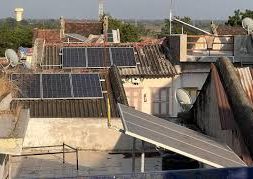
The project will include installation of solar modules, inverters, and associated grid infrastructure to deliver stable output during daytime hours. Advanced monitoring systems are expected to track generation performance and ensure efficient operation of the solar facility.
Such decentralized solar projects are gaining momentum across rural regions as they provide localized solutions to power shortages. By generating electricity close to consumption centers, these installations reduce network stress and enhance overall system efficiency.
The 7 MW Deola solar project represents a step toward sustainable agricultural electrification. By delivering reliable daytime power, improving irrigation efficiency, and supporting clean energy adoption, the initiative is expected to strengthen rural energy access while contributing to long-term renewable energy goals.