







In Short : Haryana is boosting solar energy adoption, with over 154,000 solar-powered water pumps generating 822 MW, contributing to the state’s 1,300 MW solar capacity. Despite progress, rooftop solar adoption remains low, with 30,200 installations producing 517.16 MWp. As peak power demand exceeds 15,000 MW, these initiatives are crucial for sustainable energy, supported by HAREDA’s subsidies and installation assistance.
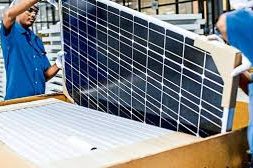
In Detail : Haryana is making remarkable progress in solar energy adoption, particularly in the agricultural sector. The state has successfully installed more than 154,000 solar-powered water pumps, contributing significantly to sustainable farming practices. These pumps collectively generate 822 MW of solar power, reducing farmers’ dependence on conventional energy sources and lessening the burden on the electricity grid. This development marks a significant step towards a greener future.
Despite this progress, challenges remain in the adoption of rooftop solar panels, especially in southern Haryana. While solar water pumps have seen widespread use, residential and commercial buildings have been slower to embrace rooftop installations. This discrepancy highlights the need for increased awareness and incentives to encourage broader participation in solar energy initiatives. Addressing this gap is crucial to maximizing the state’s solar potential.
Uttar Haryana Bijli Vitran Nigam (UHBVN) has made strides by facilitating over 24,500 rooftop installations, generating approximately 492.1 MWp of power. In contrast, Dakshin Haryana Bijli Vitran Nigam (DHBVN) has managed 5,700 installations, contributing 25.06 MWp. Though these numbers show progress, they also reflect the disparity between regions and underline the need for targeted efforts to boost adoption in lagging areas.
Haryana’s energy landscape faces additional challenges as peak power demand is expected to exceed 15,000 MW during the summer months. Currently, in-state generation is limited to around 5,000 MW, leaving a significant gap that must be addressed through renewable sources. The integration of solar energy into the state’s power infrastructure can alleviate this strain and ensure a more stable energy supply.
The Haryana Renewable Energy Development Agency (HAREDA) continues to play a vital role in promoting solar energy across the state. Through subsidies and support for rooftop solar installations, HAREDA aims to make solar energy more accessible and affordable for residents and businesses alike. These efforts are crucial in building a resilient energy framework that reduces reliance on traditional power sources.
As Haryana continues its journey towards sustainability, these solar initiatives serve as a model for other states looking to enhance their renewable energy portfolios. By addressing existing challenges and promoting widespread adoption, Haryana is not only improving its energy security but also contributing to India’s broader goals of environmental sustainability and clean energy transition.
