Maharashtra Partners with SJVN to Develop 5,000 MW Green Energy Projects for Sustainable Growth – EQ



In Short : The Maharashtra government has approved forming a joint venture with SJVN to develop 5,000 MW of renewable energy projects. The initiative will focus on solar, wind, and hybrid power projects to boost clean energy capacity in the state. This partnership aims to accelerate Maharashtra’s green transition while contributing to India’s broader renewable energy and net-zero goals.
In Detail : The Maharashtra government has approved the creation of a joint venture with state-run SJVN to set up 5,000 MW of renewable energy projects. The decision marks a significant step in advancing the state’s clean energy ambitions and contributing to India’s broader climate goals.
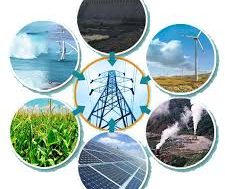
The projects under this collaboration will include solar, wind, and hybrid power plants. By diversifying sources of renewable energy, the state aims to create a more resilient and sustainable power mix while reducing dependence on fossil fuels.
Officials highlighted that the joint venture will not only expand Maharashtra’s renewable capacity but also attract investments and create employment opportunities. Local communities are expected to benefit from the large-scale deployment of renewable infrastructure.
This partnership with SJVN, a leading player in power generation, ensures both technical expertise and financial strength for project implementation. The collaboration is expected to fast-track execution and support timely delivery of clean energy projects.
Maharashtra has been actively pushing renewable energy adoption to meet growing demand while lowering emissions. The new projects will play a crucial role in strengthening the state’s contribution to India’s renewable energy targets.
The initiative also aligns with India’s national vision of achieving 500 GW of non-fossil fuel capacity by 2030. Maharashtra’s efforts will support this goal while positioning the state as a leader in renewable energy.
Apart from environmental benefits, the projects will also improve energy security. By adding more renewable capacity, the state can ensure stable power supply while mitigating risks linked to fuel price volatility.
Experts believe that such state-level initiatives are key to India’s energy transition. Collaborations between state governments and central public sector undertakings like SJVN can accelerate clean energy deployment.
If implemented efficiently, the 5,000 MW joint venture could become a model for other states. It would showcase how partnerships and coordinated efforts can drive progress toward sustainability, green growth, and long-term energy resilience.