Hyundai Sets Bold 2030 Roadmap: Pune Hub to Drive 250,000 EVs Annually and Lead India’s Global Export Push – EQ




In Short : Hyundai Motor plans to scale up EV production in India, targeting 250,000 units annually at its Pune (Talegaon) export hub by 2030. The company will launch India’s first locally designed EV, expand battery localisation, and integrate the hub into its global network. This move strengthens Hyundai’s EV roadmap while positioning India as a key manufacturing base.
In Detail : Hyundai Motor Company has outlined an ambitious roadmap for India, with plans to scale up electric vehicle production significantly by 2030. The automaker will utilise its Talegaon plant in Pune as a global export hub, enabling it to produce 250,000 EV units annually. This move places India firmly on Hyundai’s international strategy map.
The Pune facility, recently acquired and under expansion, is being developed as a multi-model export hub. Hyundai’s decision highlights India’s growing importance in the company’s supply chain and production network. By 2030, the site is expected to cater not only to domestic buyers but also to global markets.
A major highlight of Hyundai’s 2030 plan is the launch of India’s first locally designed electric vehicle. The model will be developed specifically for Indian driving conditions, consumer preferences, and affordability expectations. This marks a key shift towards localisation in both product development and manufacturing.
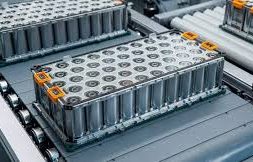
Battery pack localisation is also central to Hyundai’s strategy. By manufacturing and sourcing more components in India, the company aims to reduce costs, minimise import dependency, and accelerate EV adoption. Local production of critical parts will also insulate operations from global supply chain disruptions.
The move aligns with Hyundai’s global vision of adding 1.2 million units of production capacity by 2030. India, with its growing EV market and manufacturing base, is being positioned as a vital contributor to this target. The Pune plant expansion underlines the long-term confidence Hyundai has in the region.
The Indian government’s policies supporting EV adoption, coupled with rising consumer interest in sustainable mobility, provide a favourable environment for Hyundai’s plans. Affordable EVs, better infrastructure, and localised production will be critical to building mass adoption over the next decade.
However, challenges remain in terms of charging infrastructure, battery raw material availability, and consumer affordability. Hyundai’s ability to deliver reliable and cost-effective EVs will be crucial to achieving the 250,000-unit target. Partnerships and policy support will play an important role in overcoming hurdles.
Competition is expected to intensify as rival automakers push their EV strategies in India. With Tata Motors, Mahindra, and international brands already active in the market, Hyundai will need to differentiate through innovation, design, and efficiency. Localisation may prove to be its biggest advantage.
Hyundai’s plans for the Pune hub signal a long-term commitment to India’s EV transition. By creating a sustainable production base, investing in local design, and expanding exports, the company is positioning itself as a leader in clean mobility. The 2030 roadmap sets a bold vision for Hyundai’s role in shaping India’s electric future.