Kerala Charts a Green Future: Ambitious Plan Unveiled to Achieve Self-Reliance and Carbon Neutrality by 2050 – EQ








In Short : Kerala aims to become a self-reliant and carbon-neutral green state, announced Electricity Minister K. Krishnankutty. The state plans to source 50% of its power from renewables by 2030 and achieve full renewable energy by 2040. A new green hydrogen policy and innovation cluster project worth ₹133 crore will further drive Kerala’s sustainable energy transformation.
In Detail : Kerala has unveiled an ambitious vision to transform itself into a self-reliant and carbon-neutral green state, setting a strong example for sustainable growth in India. Electricity Minister K. Krishnankutty emphasized the state’s commitment to reducing its carbon footprint through renewable energy expansion and innovative clean energy initiatives.
The minister announced that Kerala plans to source 50% of its total electricity from renewable sources by 2030. This will gradually scale up to 100% renewable energy by 2040, ensuring the state’s complete shift away from fossil fuels within the next two decades. The roadmap focuses on solar, wind, and small hydro projects.
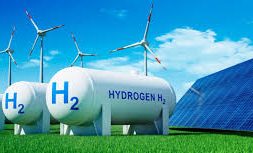
As part of this green transition, Kerala is developing a draft policy for green hydrogen, aiming to position itself as a major hub for hydrogen-based clean fuel. The state has already secured approval for a ₹133.18 crore Hydrogen Valley Innovation Cluster project under the National Green Hydrogen Mission.
This pioneering initiative will be developed in collaboration with national research agencies and private partners to produce 57 tonnes of green hydrogen during its pilot phase. The project is expected to serve as a model for other states, promoting green industries and sustainable job creation in the region.
Kerala’s nodal agency, the Agency for New and Renewable Energy Research and Technology (ANERT), is spearheading the state’s clean energy transformation. It is focusing on expanding renewable generation capacity, improving grid reliability, and encouraging decentralized energy systems for local communities.
The state has already installed over 1,000 MW of renewable capacity, including significant contributions from solar rooftops and hydropower plants. New solar parks and floating solar projects are being planned to further enhance capacity and reduce dependence on conventional electricity imports.
In addition to large-scale projects, the government is encouraging individual households, cooperatives, and local bodies to adopt solar rooftops and battery storage. These decentralized initiatives will not only reduce costs but also empower citizens to contribute to Kerala’s sustainability goals.
Krishnankutty highlighted that Kerala’s clean energy mission is designed to ensure inclusivity, with benefits reaching farmers, small businesses, and remote communities. The approach integrates environmental protection with social and economic development, aligning with the state’s broader vision of equitable growth.
With its clear roadmap and decisive policy framework, Kerala is positioning itself as a leader in India’s green revolution. The state’s commitment to renewable energy, green hydrogen, and carbon neutrality reflects a forward-looking model that balances innovation, sustainability, and community empowerment.