


Telangana’s Power Demand to Exceed 1.39 Lakh MW by 2047 to Achieve $3 Trillion Economic Vision – EQ





In Short : Telangana will need more than 1.39 lakh MW of power capacity by 2047 to support the Congress government’s ambition of building a $3 trillion economy. Massive expansion in generation, transmission, renewable energy, and grid modernization will be essential to power the state’s industrial growth, urbanization, agricultural needs, and emerging green economy.
In Detail : Telangana’s long-term economic ambition of becoming a $3 trillion economy by 2047 requires a dramatic increase in power generation and infrastructure. Experts estimate the state must scale its total power capacity to over 1.39 lakh MW, a figure far beyond current levels, driven by rising industrial, commercial, and residential electricity needs across the state.
A major contributor to this surge in demand will be Telangana’s industrialization push. As the state strengthens sectors such as pharmaceuticals, manufacturing, electrics, textiles, IT hardware, and EV production, industrial power needs are expected to grow exponentially. Ensuring uninterrupted and high-quality electricity will be essential to attract global investors and maintain competitiveness.
Urban expansion will further intensify electricity requirements. Growing cities, expanding metro networks, new commercial zones, and rising digital infrastructure will require robust power supply. As living standards increase, demand for appliances, electric mobility, cooling systems, and connected services will add additional load on the grid.
Agricultural demand will continue to play a significant role in Telangana’s energy ecosystem. Irrigation needs under programs like Mission Kakatiya, along with expanded farm mechanization and cold-chain development, will require reliable and affordable power supply for rural communities. Ensuring that agriculture does not face power shortages will be key for inclusive development.
Renewable energy will be at the center of Telangana’s strategy to meet its future power requirements. The state has high solar potential, making large-scale solar parks, distributed rooftop installations, and hybrid renewable projects viable. Integrating wind, green hydrogen, and storage technologies will strengthen the state’s ability to meet round-the-clock demand sustainably.
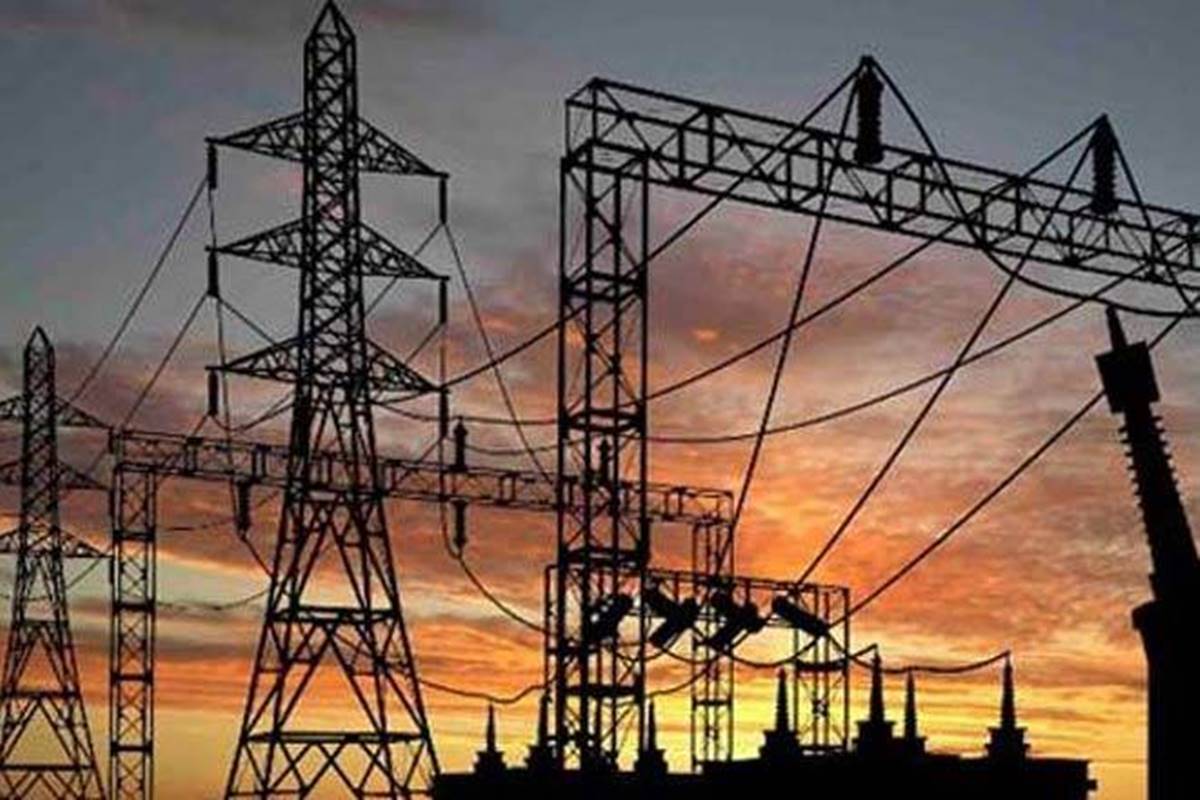
To accommodate such massive generation capacity, Telangana must undertake aggressive upgrades to its transmission and distribution networks. Expanding high-voltage corridors, strengthening substations, and deploying digital grid technologies will be vital to prevent bottlenecks, reduce losses, and ensure uninterrupted supply to consumers and industries.
Energy efficiency measures will also be crucial in managing the projected surge in demand. Experts recommend the adoption of smart meters, efficient appliances, industrial energy audits, and grid automation tools to optimize consumption and reduce unnecessary load on the system. These steps will help delay infrastructure stress and lower overall costs.
Policy frameworks and investment mechanisms will determine the success of Telangana’s power expansion goals. The Congress government will need to create a stable regulatory environment, simplify project approvals, attract private investment, and build partnerships with global energy companies to mobilize the massive funding required for generation and grid development.
Overall, achieving a $3 trillion economy by 2047 will depend heavily on transforming Telangana into a power-surplus, renewable-driven, and highly efficient energy state. Scaling up capacity beyond 1.39 lakh MW, modernizing the grid, and strengthening clean energy adoption will be essential pillars in enabling sustainable and inclusive economic growth over the next two decades.
