


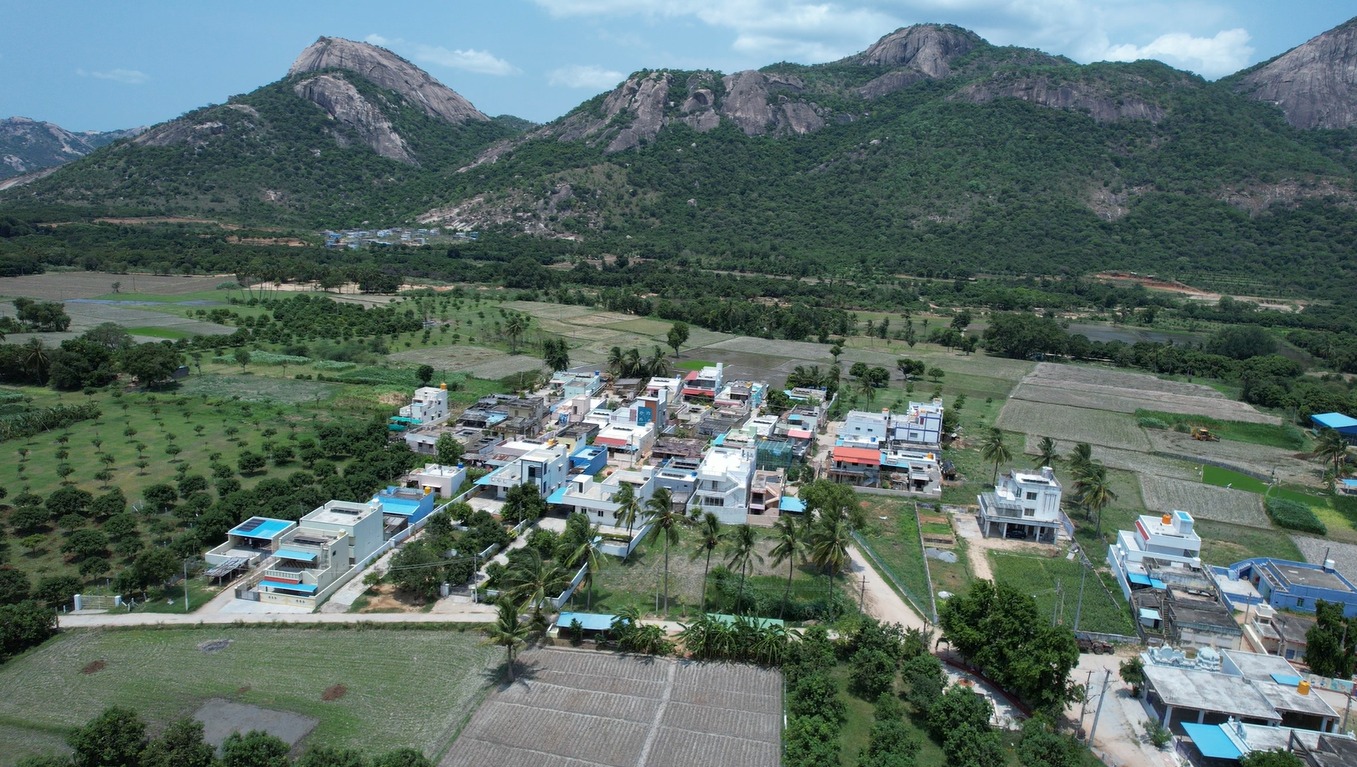




In Short : Two remote tribal villages in Odisha have achieved full electrification through solar power, marking a significant step toward inclusive and sustainable energy access. The initiative has brought reliable electricity to previously underserved communities, improving quality of life, supporting livelihoods, and demonstrating the transformative potential of decentralized renewable energy solutions in remote regions.
In Detail : Two remote tribal villages in Odisha have been fully electrified using solar power, representing a major milestone in expanding clean and reliable energy access to some of the most geographically isolated communities. The achievement highlights the role of decentralized renewable energy in bridging longstanding infrastructure gaps.
For years, these villages faced limited or no access to grid electricity due to challenging terrain and remoteness. Solar-based electrification has provided a practical and sustainable alternative, overcoming logistical barriers that made conventional power supply difficult.
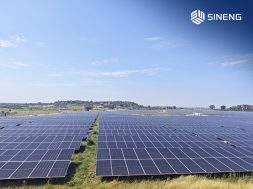
The solar systems installed include rooftop panels, battery storage, and distribution infrastructure designed to ensure uninterrupted power supply. This setup enables households to access electricity for lighting, basic appliances, and essential services throughout the day and night.
Reliable electricity has brought tangible improvements to daily life in the villages. Extended lighting hours have enhanced safety and convenience, while access to power has supported education by enabling children to study after sunset.
Healthcare and community services have also benefited from solar electrification. Power availability supports the operation of basic medical equipment, cold storage for medicines, and improved functioning of community centers and public facilities.
The initiative has opened up new livelihood opportunities by enabling small enterprises and income-generating activities. Access to electricity allows villagers to adopt tools and technologies that improve productivity and economic resilience.
Solar power has also reduced dependence on traditional fuels such as kerosene and diesel, leading to lower household expenses and improved indoor air quality. The shift contributes to both environmental sustainability and better health outcomes.
The project reflects a broader push toward inclusive energy access that leaves no community behind. By prioritizing remote and tribal regions, such initiatives help ensure that the benefits of clean energy reach all sections of society.
The successful solar electrification of these villages demonstrates the potential of renewable energy to drive social transformation. It serves as a model for scaling similar solutions across other remote regions, advancing both development and sustainability goals.
