Budget 2026 Announces Strategic Push for Rare Earth Corridors to Strengthen India’s Critical Minerals Ecosystem – EQ



In Short : Budget 2026 has proposed government support for developing rare earth corridors in Odisha, Kerala, Andhra Pradesh, and Tamil Nadu, marking a strategic move to strengthen India’s critical minerals ecosystem. The initiative aims to boost domestic production, reduce import dependence, support clean energy technologies, and enhance India’s industrial and technological self-reliance in emerging global value chains.
In Detail : The Union Budget 2026 has unveiled a major strategic initiative to support the development of rare earth corridors across Odisha, Kerala, Andhra Pradesh, and Tamil Nadu. This move reflects India’s growing recognition of rare earth elements as critical resources for future economic growth, technological advancement, and national security.
Rare earth elements play a vital role in a wide range of modern technologies, including electric vehicles, wind turbines, solar panels, semiconductors, defence systems, and advanced electronics. As global demand for these materials rises rapidly, securing a reliable domestic supply has become a key priority for India’s long-term industrial strategy.
By backing rare earth corridors, the government aims to create integrated regional ecosystems that cover exploration, mining, processing, manufacturing, and recycling. These corridors are expected to attract investment, promote innovation, and facilitate collaboration between public sector units, private companies, research institutions, and state governments.
The selection of Odisha, Kerala, Andhra Pradesh, and Tamil Nadu is based on their geological potential, existing industrial infrastructure, and proximity to ports and logistics networks. These states are well-positioned to emerge as hubs for critical mineral development and advanced materials manufacturing.
One of the core objectives of the initiative is to reduce India’s dependence on imports for rare earth materials. At present, global supply chains for rare earths are highly concentrated, creating vulnerabilities for countries that rely heavily on external sources for strategic minerals.
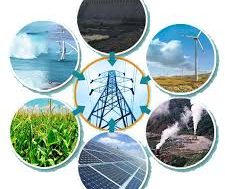
The corridors are also expected to support India’s clean energy and electric mobility ambitions. Rare earth materials are essential components in high-performance magnets, batteries, motors, and power electronics that underpin renewable energy systems and low-carbon technologies.
From an economic perspective, the development of rare earth corridors can generate high-value employment, stimulate regional industrial growth, and strengthen India’s position in global high-tech supply chains. It also opens opportunities for skill development in advanced mining, materials science, and manufacturing technologies.
Environmental and social considerations are expected to play an important role in the implementation of these corridors. Sustainable mining practices, environmental safeguards, and community engagement will be critical to ensuring that resource development aligns with ecological protection and inclusive growth.
Overall, the rare earth corridor initiative announced in Budget 2026 represents a forward-looking policy step that connects resource security with industrial competitiveness. It positions India to play a more prominent role in the global clean energy and technology landscape while advancing its goal of becoming a self-reliant and resilient economy.