Rapid Metro Gurgaon Plans Solar Shift as Power Costs Rise to 20% of Operations – EQ





In Short : Rapid Metro Gurgaon is planning to adopt solar power after electricity expenses climbed to nearly 20% of operational costs. The move aims to reduce energy expenditure, improve sustainability, and stabilize long-term tariffs. Solar sourcing is expected to support cost efficiency while aligning urban transit operations with clean energy goals.
In Detail : Rapid Metro Gurgaon is exploring solar power procurement as electricity costs rise to nearly 20% of its operational expenditure. The growing energy bill has prompted the metro operator to evaluate renewable energy solutions that can help reduce long-term costs while improving environmental sustainability.
Electricity remains one of the largest cost components for metro rail operations, covering traction power, station utilities, signaling systems, and maintenance facilities. With increasing tariffs and higher operational intensity, power expenses have steadily increased, creating pressure on operating margins and long-term financial planning.
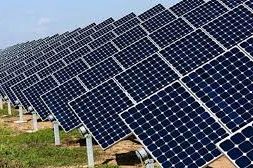
The proposed solar adoption aims to secure lower-cost electricity through renewable energy sourcing. By tapping solar power, the metro system can benefit from predictable tariffs, reduced exposure to grid price fluctuations, and long-term savings across its operations. This approach is becoming common among urban transit systems.
Solar energy can be sourced through multiple models, including rooftop installations, open-access solar procurement, or power purchase agreements with solar developers. Each option offers flexibility depending on infrastructure availability and energy demand patterns across stations and depots.
The shift toward renewable power also supports sustainability objectives. Metro systems are already considered environmentally friendly transportation options, and integrating solar energy further reduces carbon emissions. This helps strengthen the role of public transit in achieving urban climate goals.
Operationally, solar integration can support daytime power requirements, which align closely with metro service hours. This improves energy efficiency and reduces dependence on conventional grid electricity during peak tariff periods. Storage solutions may also be considered in the future to enhance reliability.
The move reflects a broader trend among urban transport networks adopting renewable energy to control costs. Rail-based transit systems typically consume significant electricity, making them ideal candidates for solar power adoption and long-term green energy strategies.
In addition to cost savings, solar sourcing enhances energy security for metro operations. Diversifying energy sources helps reduce risks related to tariff hikes, supply constraints, and grid disruptions, ensuring smoother and more predictable service delivery.
By planning to tap solar power, Rapid Metro Gurgaon aims to improve operational efficiency, reduce electricity expenditure, and strengthen sustainability performance. The initiative highlights how renewable energy integration can support cost-effective urban mobility while contributing to cleaner and greener transportation infrastructure.