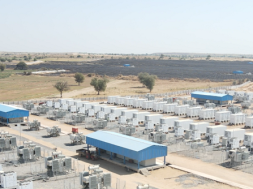




As India accelerates its renewable energy targets, solar installations across utility-scale, commercial, and rooftop segments are growing at an unprecedented pace. While this rapid expansion is a positive step toward a cleaner energy future, it is also introducing new challenges for grid stability.
Higher solar penetration means increased variability, voltage fluctuations, and growing stress on distribution infrastructure. As a result, the role of solar systems is evolving — from simply generating power to actively supporting and stabilizing the grid.
In this changing landscape, inverters are no longer just conversion devices — they are becoming intelligent control systems, enabling solar plants to operate reliably while meeting grid requirements.
Key Trends Shaping India’s Solar Grid in 2026
India’s solar ecosystem in 2026 is being shaped by a combination of rapid capacity addition and digital transformation. The increasing share of renewable energy in the grid is making power flows more dynamic, requiring better coordination between generation and consumption. At the same time, the rise of rooftop and distributed solar is decentralizing power generation, pushing more complexity to the distribution network.
The rollout of smart meters is further enhancing visibility and control, enabling real-time monitoring of energy usage and grid behavior. Alongside this, battery energy storage is gaining traction as a critical component to manage solar intermittency and peak demand. Another key development is the integration of AI and digital tools, which are enabling predictive maintenance, smarter energy management, and improved system performance.
Key Grid Challenges Emerging
With these developments, several operational challenges are becoming more prominent. Voltage fluctuations are increasingly observed in areas with high solar injection, especially during peak generation hours. The intermittent nature of solar power continues to impact frequency stability, requiring systems that can respond dynamically to changing conditions.
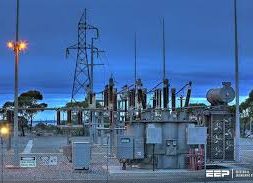
Reverse power flow from distributed solar installations is also affecting transformer and feeder performance, particularly in urban and semi-urban areas. Additionally, the mismatch between solar generation and peak consumption periods is leading to inefficiencies in energy utilization. On top of this, evolving grid regulations are placing stricter requirements on solar systems in terms of harmonics, protection, and ride-through capabilities.
The Evolving Role of Inverters
To address these challenges, inverters are evolving into intelligent energy management systems that play a critical role in maintaining grid stability. Modern inverters are capable of regulating voltage and frequency, managing reactive power, and ensuring compliance with grid standards. They also enable seamless integration with battery storage, allowing systems to store excess energy and deploy it when needed.
With the integration of AI and advanced monitoring platforms, inverters can now analyze system behavior in real time and optimize performance accordingly. This shift is making inverters the “brain” of solar systems, capable of balancing generation, storage, and consumption while supporting grid requirements.
Growatt Solutions: Enabling Smart & Stable Solar Systems
Growatt’s hybrid inverter platforms are designed to meet these evolving requirements and support the transition toward a smarter energy ecosystem..
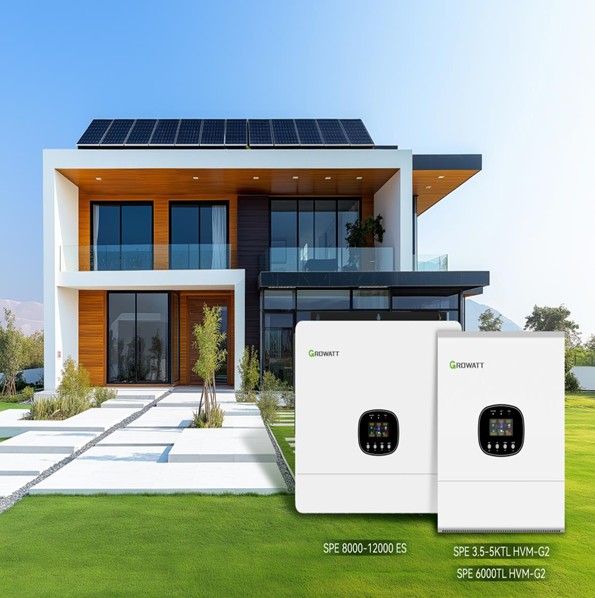
The Growatt SPE Series provides an intelligent solution for residential and small commercial users. By enabling self-consumption optimization, battery integration, and controlled grid interaction, SPE systems help reduce voltage fluctuations and minimize unnecessary power export. With real-time monitoring through the ShinePhone app, users gain complete visibility into their energy usage, allowing them to maximize efficiency while ensuring stable operation.
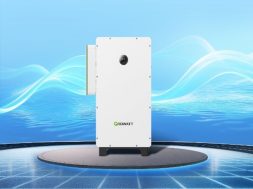
For larger commercial and industrial applications, the Growatt WIT Series offers advanced capabilities tailored to high-capacity systems. These inverters support peak shaving, load management, and battery-based smoothing of solar generation, helping reduce stress on the grid. Their ability to integrate with diesel generators further enhances system flexibility while reducing fuel dependency. Designed for scalability and performance, WIT systems enable solar plants to actively contribute to grid stability while delivering strong economic benefits.
Moving Toward a Grid-Ready Solar Future
As India’s solar ecosystem continues to expand, grid stability will remain a key focus area for regulators, utilities, and developers. The next phase of growth will depend not only on how much solar is installed, but how intelligently it is integrated into the grid.
With advanced hybrid solutions like Growatt SPE and WIT, solar systems are evolving into smart, responsive energy assets capable of supporting both user needs and grid requirements. By combining generation, storage, and intelligent control, Growatt is enabling a more stable, efficient, and future-ready energy ecosystem for India.