Adani Energy Solutions Secures Japanese Financing for Major HVDC Transmission Project – EQ






In Short : Adani Energy Solutions has secured long-term financing from Japanese banks to support the development of a major HVDC transmission project in India. The funding will help strengthen the country’s power transmission infrastructure and enable efficient transfer of electricity across regions. The project is expected to enhance grid reliability and support the growing integration of renewable energy into India’s national power system.
In Detail : Adani Energy Solutions has successfully secured long-term financing from a group of Japanese banks to support the development of a large high-voltage direct current transmission project in India. The financial agreement represents a significant step forward for the company as it expands its role in building advanced power transmission infrastructure that can support the country’s rapidly growing electricity demand.
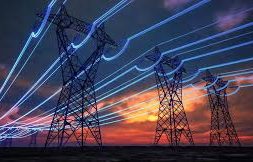
The HVDC transmission project is designed to enable efficient long-distance transfer of electricity between different regions of India. HVDC technology is widely recognized for its ability to transmit large volumes of power over extended distances with lower transmission losses compared to conventional alternating current systems. This makes it particularly useful for integrating renewable energy from remote locations into the national grid.
Securing international financing from Japanese financial institutions highlights the growing global confidence in India’s power infrastructure sector. Such investments reflect the strong interest of international lenders in supporting large-scale energy projects that contribute to energy security, infrastructure modernization, and sustainable economic development.
The financing package will provide the long-term capital required to construct and operate the transmission infrastructure associated with the project. Large HVDC projects typically involve significant upfront investment due to the specialized technology, converter stations, transmission lines, and associated grid infrastructure required for their operation.
HVDC transmission systems play a critical role in modern power networks by enabling the efficient movement of electricity across long distances and between regions with different grid conditions. These systems are particularly valuable for connecting renewable energy generation sites, such as solar parks and wind farms, to major consumption centers located far away.
As India continues to expand its renewable energy capacity, the need for advanced transmission infrastructure has become increasingly important. Renewable energy resources are often located in regions with abundant solar or wind potential, which may be far from industrial and urban demand centers. HVDC systems provide an effective solution for transporting this electricity efficiently across the country.
The involvement of Japanese banks also reflects the strengthening financial and economic cooperation between India and Japan in the energy and infrastructure sectors. Japanese financial institutions have been active participants in financing infrastructure projects around the world, particularly those that support sustainable development and advanced technology deployment.
For Adani Energy Solutions, securing long-term international financing helps strengthen the financial foundation of the project while enabling the company to continue expanding its transmission portfolio. The company has been actively involved in developing large-scale transmission networks that support India’s evolving energy landscape.
Overall, the project represents another step toward building a more modern, reliable, and interconnected power grid in India. With the support of international financing and advanced transmission technology, the HVDC project is expected to contribute to improved energy distribution, stronger grid stability, and the successful integration of large-scale renewable energy resources into the national electricity system.