



Adani Green Unveils Major Storage Push with Over 7 GWh Battery Capacity at Khavda – EQ




In Short : Adani Green Energy has outlined plans to develop more than 7 GWh of battery energy storage capacity at its Khavda renewable energy park, alongside a capital expenditure programme of around ₹40,000 crore. The investment underscores the company’s focus on strengthening grid stability, enabling large-scale renewable integration, and supporting round-the-clock clean power supply.
In Detail : Adani Green has announced an ambitious expansion plan centred on large-scale battery energy storage deployment at its Khavda renewable energy complex. The proposed capacity of over 7 GWh marks a significant step toward addressing intermittency challenges associated with renewable power generation.
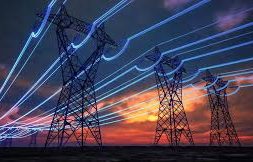
The battery storage systems are expected to play a critical role in smoothing power output from solar and wind assets developed at Khavda. By storing excess energy and releasing it during periods of high demand or low generation, the project aims to enhance grid reliability and power availability.
Alongside the storage initiative, the company has lined up a capital expenditure programme of approximately ₹40,000 crore. This investment is intended to support renewable generation capacity additions, storage infrastructure, and associated transmission and grid integration facilities.
Khavda has emerged as a cornerstone of Adani Green’s renewable energy strategy, with the site being developed as one of the world’s largest clean energy parks. The addition of large-scale battery storage further strengthens the project’s ability to deliver firm and dispatchable renewable power.
The planned investments align with broader energy transition objectives, including increased penetration of renewable energy and reduced reliance on fossil fuels. Battery storage is increasingly seen as essential for balancing variable generation and meeting peak demand reliably.
Large-scale storage deployment also supports the evolving market for round-the-clock and firm renewable power contracts. Such capabilities enable renewable energy producers to offer more reliable supply profiles to utilities and commercial consumers.
The capex programme is expected to generate significant economic activity, supporting jobs, local supply chains, and technology deployment across the renewable energy ecosystem. It also reflects growing investor confidence in integrated renewable and storage solutions.
By combining generation, storage, and grid integration at scale, Adani Green is positioning itself to address future power system requirements. The strategy highlights a shift toward integrated clean energy solutions rather than standalone generation assets.
With substantial investment planned and storage capacity scaled up, Adani Green’s Khavda project is set to play a key role in India’s clean energy transition. The initiative is expected to contribute to grid stability, energy security, and long-term decarbonisation goals.


