




In Short : MSEDCL introducing a real-time substation monitoring system marks a major step toward digital transformation in power distribution. The initiative enables continuous tracking of grid performance, improves fault detection, and enhances operational efficiency. By leveraging real-time data, the system strengthens reliability, reduces outages, and supports smarter, more responsive electricity management for consumers.
In Detail : The introduction of a real-time substation monitoring system by MSEDCL represents a significant advancement in the modernization of power distribution infrastructure. This initiative reflects the growing adoption of digital technologies in the electricity sector to improve system performance, reliability, and transparency.
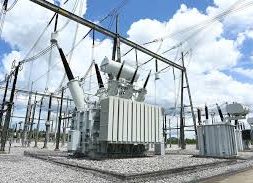
Real-time monitoring enables utilities to continuously track the operational status of substations, including voltage levels, load patterns, equipment health, and fault conditions. This provides system operators with immediate visibility into grid behavior, allowing them to respond quickly to abnormalities and prevent minor issues from escalating into major outages.
One of the most important benefits of this system is improved reliability of power supply. By detecting faults and performance deviations in real time, utilities can take corrective actions before consumers experience disruptions. This reduces downtime, enhances service quality, and strengthens consumer confidence in the power distribution system.
The system also supports better demand management and load balancing. Real-time data helps operators understand consumption patterns across different regions and time periods, enabling more efficient allocation of power. This is especially critical during peak demand hours, when grid stress is highest and the risk of failures increases.
From an operational perspective, real-time monitoring significantly improves maintenance planning. Instead of relying solely on periodic inspections, utilities can adopt predictive maintenance strategies based on live equipment data. This reduces maintenance costs, extends asset life, and minimizes unexpected equipment failures.
The initiative also contributes to faster decision-making and improved workforce productivity. Automated data collection and analytics reduce the need for manual monitoring, allowing technical staff to focus on higher-value tasks such as system optimization, fault analysis, and infrastructure planning.
In the broader context of smart grid development, real-time substation monitoring is a foundational component. It enables integration with advanced systems such as automated fault restoration, smart meters, and energy management platforms, creating a more intelligent and responsive power network.
From a consumer perspective, the benefits translate into fewer outages, quicker fault resolution, and more consistent voltage levels. Improved grid performance directly enhances customer satisfaction and supports the growing reliance on electricity for digital services, electric mobility, and modern lifestyles.