




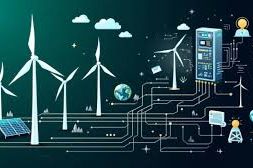





In Short : Union Minister Pralhad Joshi emphasised that AI-driven technologies can play a transformative role in maintaining grid stability as India accelerates renewable energy integration. He highlighted how predictive analytics, real-time monitoring, and smart grid systems can enhance reliability, reduce outages, and support efficient energy management in an increasingly complex and decentralised power network.
In Detail : Union Minister Pralhad Joshi stated that artificial intelligence will be a critical enabler in ensuring grid stability as India’s renewable energy capacity continues to expand rapidly. With increasing penetration of solar and wind power, the complexity of grid management has grown significantly, requiring smarter and faster decision-making tools.
He explained that AI-driven systems can process vast volumes of real-time data from substations, transmission lines, and generation sources to anticipate fluctuations in supply and demand. Such predictive capabilities allow grid operators to take proactive measures before imbalances escalate into outages or instability.
As renewable energy sources are inherently variable, maintaining frequency and voltage stability becomes more challenging. AI tools can forecast generation patterns with greater accuracy, enabling better scheduling and dispatch of power across regions while reducing reliance on conventional balancing mechanisms.
The Minister highlighted that machine learning models can support predictive maintenance of grid assets, identifying early signs of wear or malfunction in transformers, transmission lines, and substations. This reduces downtime, enhances asset life, and lowers operational costs for utilities.
He also noted that smart grid technologies powered by AI can facilitate seamless integration of distributed energy resources such as rooftop solar systems, battery storage, and electric vehicle charging infrastructure. This decentralised ecosystem demands advanced coordination, which AI systems are well positioned to deliver.
Another important aspect discussed was demand-side management. AI algorithms can analyse consumption patterns and enable demand response strategies, optimising load distribution and preventing sudden stress on the grid during peak hours.
The growing digitalisation of the power sector further strengthens the case for AI integration. Real-time analytics dashboards and automated control systems allow grid operators to monitor system health continuously and respond swiftly to disruptions.
The Minister underscored that grid modernisation must move in parallel with renewable energy expansion. While India is making significant progress in capacity additions, digital intelligence will ensure that this growth remains reliable, resilient, and sustainable.
Overall, the emphasis on AI-driven grid management reflects India’s broader strategy of combining clean energy expansion with advanced digital infrastructure. By leveraging artificial intelligence, the country aims to build a stable, efficient, and future-ready power system capable of supporting long-term economic growth and climate commitments.
