


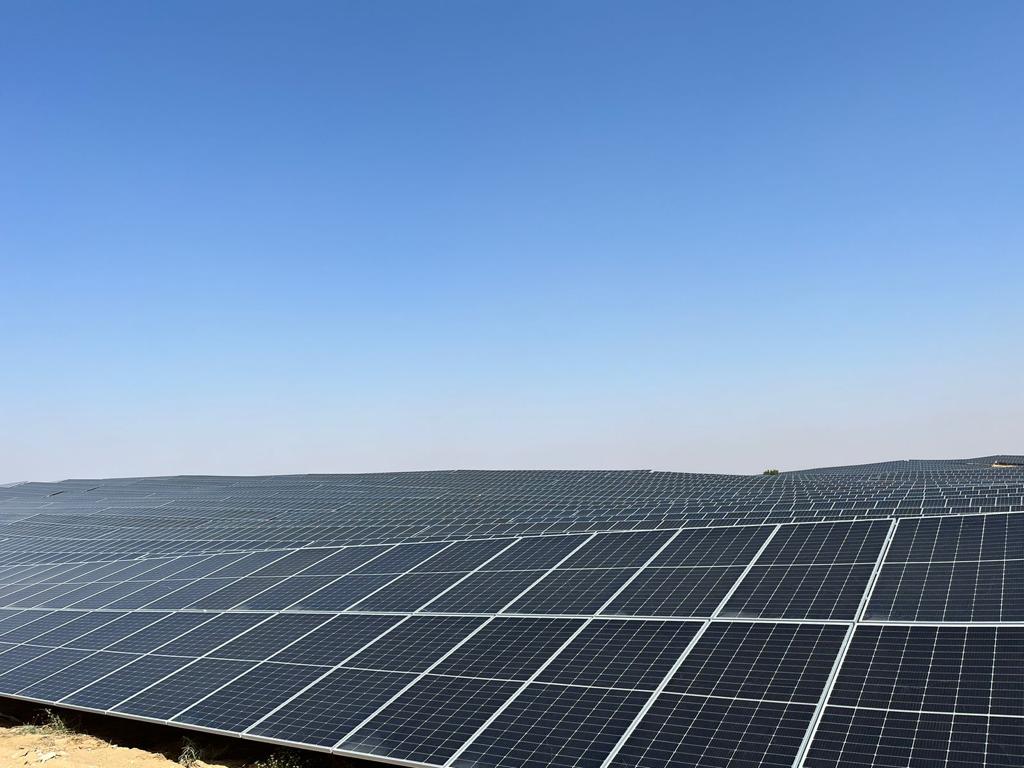






In Short : Over 600 tribal households in Prakasam district have been electrified with solar power under a special initiative by the Andhra Pradesh government. The programme aims to improve energy access in remote areas, enhance quality of life for tribal communities, and promote clean, sustainable power solutions in regions with limited grid connectivity.
In Detail : More than 600 tribal homes in Prakasam district have received access to solar electricity under a dedicated initiative launched by the Andhra Pradesh government. The programme represents a major step toward improving living conditions in remote and underserved tribal regions, where access to conventional electricity infrastructure has traditionally been limited or unreliable.
The solar electrification project is designed to provide reliable and affordable energy to communities located in difficult terrain, where extending grid connectivity can be technically challenging and economically unviable. By deploying decentralised solar systems, the government is ensuring that even the most isolated households benefit from modern energy services.
For tribal families, access to electricity brings significant improvements in daily life. Solar power enables lighting after sunset, operation of basic appliances, mobile phone charging, and access to digital services, which collectively enhance comfort, safety, and social inclusion. It also reduces dependence on kerosene lamps, improving indoor air quality and health outcomes.
The initiative also supports educational development in tribal areas. With access to reliable lighting, students can study during evening hours, while schools can use digital tools and equipment more effectively. This helps bridge educational gaps between rural and urban regions and contributes to long-term human capital development.
Healthcare services in these communities are also expected to benefit from solar electrification. Primary health centres and households can use electricity for basic medical equipment, refrigeration of medicines, and emergency lighting, improving healthcare delivery and response capacity in remote locations.
From an environmental perspective, the project promotes clean and sustainable energy adoption. By replacing fossil fuel-based lighting and generators, the solar systems reduce carbon emissions and support Andhra Pradesh’s broader climate and sustainability goals. The initiative demonstrates how renewable energy can play a transformative role in rural development.
The programme also creates local economic opportunities. Installation and maintenance of solar systems generate employment for local technicians and service providers, while improved energy access supports small businesses, home-based enterprises, and income-generating activities within tribal communities.
This initiative aligns with national objectives of achieving universal energy access and promoting renewable energy across rural India. Decentralised solar solutions are increasingly recognised as a practical tool for achieving inclusive development, particularly in geographically challenging regions.
Overall, the electrification of over 600 tribal homes in Prakasam through solar power reflects a strong commitment to social equity and sustainable development. By combining clean energy with community empowerment, the initiative is helping build a more inclusive, resilient, and environmentally responsible future for tribal populations in Andhra Pradesh.
