









In Short : Industries across Asia are rapidly adopting solar power to lower electricity costs and reduce exposure to volatile energy markets. Corporate renewable procurement, rooftop installations, and captive solar plants are gaining momentum. The shift enhances sustainability, improves energy security, and supports decarbonisation goals while enabling manufacturers to stabilize operating expenses and strengthen long-term competitiveness.
In Detail : Industries across Asia are increasingly turning to solar power as a strategic solution to manage rising electricity costs and reduce exposure to energy price volatility. Growing demand for reliable and affordable power has encouraged manufacturers to invest in renewable energy systems. Solar installations, both onsite and offsite, are becoming a key component of corporate energy strategies.
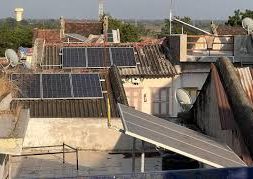
Rooftop solar installations are gaining popularity among industrial facilities with large available roof space. These systems allow companies to generate electricity at the point of consumption, reducing dependence on grid power. Onsite generation also helps lower transmission losses and provides predictable energy costs over the long term.
Captive solar plants and group captive models are also expanding across the region. Industries are partnering with developers to build dedicated solar projects that supply power directly to their facilities. These arrangements enable companies to secure long-term power at stable tariffs while avoiding fluctuations in conventional energy prices.
The shift toward solar power also helps industries manage energy security risks. Grid outages, fuel shortages, and tariff increases can disrupt operations and increase costs. Solar-based power, especially when combined with storage, improves resilience and ensures continuity of operations.
Corporate sustainability commitments are another major driver of solar adoption. Many companies are setting renewable energy targets and working toward carbon reduction goals. Solar power offers a scalable and cost-effective solution to reduce emissions while maintaining operational efficiency.
Technological advancements and declining module prices have further accelerated adoption. Improved efficiency, better performance in diverse climates, and enhanced reliability make solar power suitable for a wide range of industrial applications. These improvements strengthen the economic case for investment.
Government policies and incentives in several Asian countries are supporting industrial solar deployment. Net metering, open access frameworks, and renewable purchase options are encouraging corporate participation. Supportive regulations reduce barriers and enable faster project implementation.
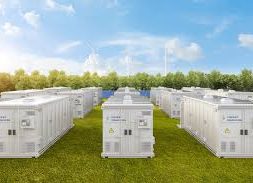
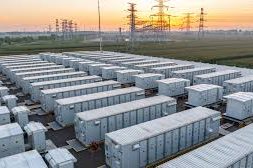
Energy storage integration is also gaining traction among industrial consumers. Batteries paired with solar systems allow companies to store excess power and use it during peak demand periods. This combination enhances reliability and maximizes utilization of renewable generation.
The growing adoption of solar power by Asian industries reflects a broader shift toward cost-effective and sustainable energy solutions. By reducing electricity expenses and mitigating energy risks, solar investments are improving competitiveness. Continued deployment is expected to accelerate as companies prioritize energy security, sustainability, and long-term financial stability.
