









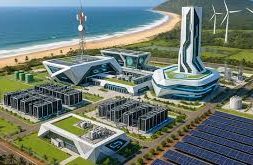

In Short : As climate extremes intensify, the energy sector faces growing risks from heatwaves, storms, and supply disruptions. To build resilience, experts recommend diversifying energy sources, investing in grid upgrades, and integrating advanced forecasting tools. Strengthening infrastructure and policy frameworks will be key to ensuring reliable, sustainable energy amid an increasingly unpredictable climate landscape.
In Detail : The future of energy is increasingly uncertain as climate change accelerates the frequency and severity of extreme weather events. Heatwaves, floods, storms, and wildfires are placing growing stress on power infrastructure around the world, revealing vulnerabilities in traditional energy systems. These disruptions can result in prolonged outages, damaged assets, and heightened economic and social risks.
Energy demand patterns are also shifting due to these extremes. For instance, hotter temperatures drive up cooling needs, causing spikes in electricity consumption, especially in urban areas. Meanwhile, droughts can reduce hydroelectric generation, and storms may halt solar or wind operations. This volatility demands smarter, more adaptable energy planning.
To prepare for these challenges, a shift toward decentralized and diversified energy sources is vital. Solar, wind, storage, and microgrids can increase resilience by reducing reliance on single points of failure. Localized systems are particularly useful during large-scale disruptions, offering backup power and faster recovery.
Grid modernization is equally crucial. Investing in advanced sensors, automation, and forecasting tools can help utilities detect problems early, respond quickly, and manage loads more effectively. Incorporating AI and real-time data analytics can also improve efficiency and reduce the impacts of demand surges or supply shortages.
Policy and regulatory frameworks must evolve to support climate-resilient energy planning. This includes funding for infrastructure upgrades, incentives for clean energy adoption, and rules that prioritize long-term reliability and environmental sustainability. Governments must work in tandem with private stakeholders to develop forward-thinking energy strategies.
Ultimately, preparing for a “cloudy” energy future means embracing uncertainty with innovation and collaboration. By proactively addressing vulnerabilities and investing in adaptable systems, societies can safeguard power access and maintain stability—even in an era of climate extremes.
