



Chandigarh Powers EV Charging Stations with Solar, Setting Benchmark for Sustainable Urban Mobility – EQ


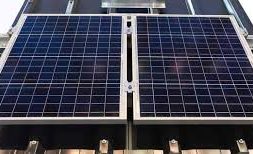

In Short : Chandigarh is set to power its electric vehicle (EV) charging hubs using solar energy at four strategic locations, including IT Park and Sector 42 New Lake Parking. Led by CREST, the initiative integrates rooftop solar panels, battery storage, and super-fast charging with battery swapping. Developed under an OPEX model, it supports sustainability goals, reduces emissions, and promotes clean urban mobility.
In Detail : Chandigarh is advancing its green mobility initiatives by launching solar-powered electric vehicle (EV) charging hubs at four strategic locations, including IT Park and Sector 42 New Lake Parking. The initiative is led by the Chandigarh Renewable Energy and Science & Technology Promotion Society (CREST), combining solar energy, battery storage, and EV infrastructure to create a sustainable, zero-emission transport network.
A flagship 500 kWp solar project at IT Park will dedicate 230 kWp to EV charging and battery swapping. The project is supported by battery storage to ensure uninterrupted power supply. Similar setups will be replicated across the other three locations to cater to multiple vehicle types, especially two and three-wheelers.
The charging infrastructure includes rooftop solar panels, battery backups, super-fast charging stations, and battery swapping facilities. This integrated approach aims to enhance efficiency and provide reliable power for EV users while promoting clean energy adoption across the city.
The projects are being developed under an operational expenditure (OPEX) model through e-tendering, enabling private sector participation without government subsidies. Currently, Chandigarh operates 35 public EV charging stations powered conventionally, and this initiative will significantly reduce the city’s carbon footprint.
An upcoming review meeting chaired by the UT chief secretary will focus on integrating solar with EV charging and on incentive structures for EV purchases. The discussion will aim to achieve 18–20% EV penetration in the current fiscal year, emphasizing high-demand vehicle categories.
The Chandigarh Pollution Control Committee (CPCC) has also mandated the removal of a 24-meter air purification tower at Transport Chowk, installed in 2021 but failing pollution standards. The removal is expected within three months, further reflecting the city’s focus on sustainable and efficient environmental initiatives.
Chandigarh has achieved record solar rooftop coverage, supplying approximately 7% of the city’s total electricity needs. This solar integration aligns with broader sustainability goals, reducing reliance on conventional energy and supporting the city’s clean mobility transition.
The Union Territory has installed rooftop solar panels on all 6,624 government buildings, making them net-zero in energy consumption. This demonstrates Chandigarh’s commitment to renewable energy adoption and provides a replicable model for other cities aiming to integrate clean energy into urban infrastructure.
