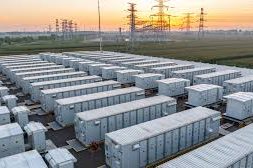
China Leads Global Clean Tech Exports as Renewables Emerge Over Fossil Fuels – EQ





In Short : China is emerging as the dominant player in global energy exports, leading in solar panels, batteries, and other clean technologies. Meanwhile, the U.S. is scaling up its clean tech industry. This trend marks a global energy transition, with renewable and low-carbon technologies surpassing traditional fossil fuels, reshaping trade patterns, and influencing international energy security and economic strategies.
In Detail : China is asserting dominance in global energy exports, particularly in clean technologies such as solar panels, batteries, and electric vehicle components. The country’s leadership in manufacturing scale and cost competitiveness has positioned it at the forefront of the global energy transition.
The United States is simultaneously ramping up its clean technology industry, investing in domestic production of solar panels, batteries, and other renewable energy equipment. These efforts aim to strengthen supply chains and reduce dependence on foreign imports.
China’s dominance is fueled by large-scale production capabilities, government incentives, and a well-established industrial ecosystem. Policies supporting renewable energy manufacturing have enabled Chinese companies to achieve economies of scale unmatched by other nations.
Global trade patterns are shifting as renewable and low-carbon technologies gain prominence. Countries are increasingly sourcing clean energy equipment from China, reflecting the urgency of transitioning to sustainable energy systems.
The shift toward clean technology is gradually eclipsing traditional fossil fuel exports. Coal, oil, and natural gas, long dominant in global energy trade, are losing market share as nations prioritize decarbonization.
Investment in research and development has further strengthened China’s position. Technological advancements in efficiency, storage, and smart grid integration make Chinese clean tech products highly competitive internationally.
The U.S. aims to catch up through initiatives like the Inflation Reduction Act, which incentivizes domestic clean tech manufacturing, encourages innovation, and attracts private capital to support renewable energy growth and energy security.
This global energy transition has implications for geopolitical dynamics, as countries seek to secure critical clean energy resources and supply chains. Dominance in clean technology exports translates into strategic economic and political influence.
As renewable and low-carbon technologies continue to expand, China’s leadership in exports and the U.S.’s scaling efforts underscore a new era in global energy trade. Fossil fuels are increasingly sidelined, signaling a profound transformation in the world’s energy landscape.