



Delhi Permits Elevated Solar Installations on Farmland Without Requiring Land Use Change – EQ





In Short : Delhi has allowed the installation of elevated solar power systems on agricultural land without requiring a formal change in land use. The decision aims to promote renewable energy adoption while preserving farming activity, enabling dual use of land. The move is expected to support clean energy growth, farmer income diversification, and efficient land utilisation.
In Detail : Delhi has approved the installation of elevated solar power systems on agricultural land, removing the requirement for land use change. The policy shift is intended to encourage wider adoption of renewable energy while ensuring that agricultural activities can continue uninterrupted beneath solar structures.
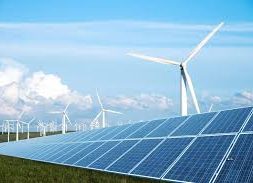
Elevated solar systems allow panels to be installed at a height that permits farming operations such as crop cultivation, irrigation, and movement of machinery. This dual-use approach addresses land constraints in urban and semi-urban regions where competing land demands often limit renewable energy deployment.
The decision is expected to provide new income opportunities for farmers and landowners. By leasing land or generating solar power alongside agriculture, farmers can diversify revenue streams and improve financial resilience without giving up their primary agricultural activities.
From a renewable energy perspective, the move unlocks significant potential for decentralised solar generation. Agricultural land, when used efficiently, can contribute meaningfully to local power generation and reduce dependence on distant energy sources.
The policy also supports sustainable land management by avoiding permanent conversion of farmland for non-agricultural purposes. Maintaining agricultural classification helps preserve food security while advancing clean energy goals.
Removing the land use change requirement is likely to reduce administrative delays and compliance costs for project developers. Simpler approval processes can accelerate project implementation and attract greater private investment in solar infrastructure.
Elevated solar installations can also bring environmental benefits beyond clean power generation. Partial shading can reduce water evaporation and improve microclimatic conditions, potentially benefiting certain crops when systems are designed appropriately.
The decision aligns with broader efforts to integrate renewable energy into everyday land use practices. Combining agriculture and solar power reflects an evolving approach to sustainable development that maximizes productivity from limited land resources.
Overall, Delhi’s move represents a progressive step in balancing renewable energy expansion with agricultural preservation. By enabling elevated solar systems on farmland without land use change, the policy supports cleaner energy, farmer welfare, and smarter land utilisation in the region.
