






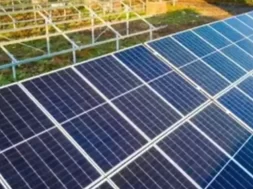


In Short : The Delhi government plans to install solar panels on 1,000 buildings to generate 55 MW of clean energy. This initiative aims to lower electricity costs, reduce carbon emissions, and promote widespread adoption of renewable energy across the city. The project highlights Delhi’s commitment to sustainability and its efforts to accelerate the transition toward a low-carbon, green energy future.
In Detail : The Delhi government has announced an ambitious plan to install solar panels on 1,000 government and public buildings across the city. The project aims to generate 55 MW of clean, renewable energy, contributing significantly to the city’s sustainable energy goals and reducing dependence on conventional power sources.
The installation will cover a range of buildings, including schools, hospitals, offices, and municipal facilities. By utilizing rooftop space efficiently, the initiative maximizes energy generation without requiring additional land or infrastructure investments.
The 55 MW capacity is expected to substantially reduce electricity costs for the government. By generating power on-site, these buildings will lower their reliance on grid electricity, resulting in significant financial savings over time.
In addition to cost savings, the project will help cut carbon emissions. Replacing conventional electricity with solar power contributes to reducing greenhouse gas emissions, supporting Delhi’s climate action targets and promoting environmental sustainability.
The initiative reflects the city government’s commitment to accelerating renewable energy adoption. By demonstrating the viability of large-scale rooftop solar deployment, Delhi sets an example for other urban areas seeking to integrate clean energy solutions.
Implementation of the project will create opportunities for local employment and technical expertise. Solar panel installation, maintenance, and monitoring require skilled labor, providing jobs while building a workforce capable of supporting future renewable energy projects.
Government officials emphasize that the initiative aligns with national clean energy objectives. By contributing to India’s overall solar capacity, the project supports the country’s ambitious targets for renewable energy generation by 2030.
The project also highlights the benefits of distributed solar generation. By producing power close to the point of consumption, rooftop solar reduces transmission losses, enhances energy efficiency, and strengthens grid reliability across the city.
Overall, the Delhi rooftop solar initiative represents a major step toward sustainable urban energy management. By combining cost savings, environmental benefits, and increased renewable energy capacity, the project advances the city’s transition to a greener, low-carbon future.
