








In Short : India is preparing to handle rising electricity demand during the summer season through a diversified mix of power sources. Along with coal-based generation, the country is increasingly utilizing renewable energy, hydropower, nuclear power, gas-based plants, and battery storage systems. These alternate sources help stabilize the grid, ensure reliable supply, and support uninterrupted electricity during peak demand periods.
In Detail : India faces a sharp rise in electricity demand during the summer months as temperatures increase and the use of cooling appliances such as air conditioners, fans, and refrigeration systems grows significantly. To manage this surge, the power sector is adopting a diversified energy strategy that combines conventional power generation with multiple alternate sources. This approach helps ensure that electricity demand is met efficiently without major disruptions to supply.
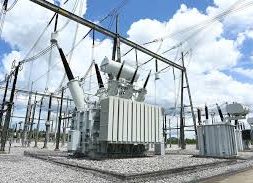
Coal-based power generation continues to play a major role in meeting India’s peak electricity demand. Thermal power plants provide large-scale and reliable electricity generation that can operate continuously for long periods. During summer, when electricity consumption reaches its highest levels, coal-fired plants remain the backbone of the power system, providing stability and ensuring that base load demand is consistently fulfilled.
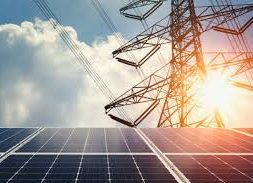
At the same time, renewable energy sources are increasingly contributing to the overall power generation mix. Wind and solar power installations have expanded significantly across the country, helping supply clean electricity to the grid. Solar power, in particular, plays a vital role during daytime hours when electricity consumption rises due to commercial activities and high cooling requirements.
Wind power also supports electricity generation during certain seasonal periods, especially in regions with strong wind patterns. The combination of solar and wind energy allows the grid to access additional electricity generation capacity without increasing dependence on fossil fuels. This expansion of renewable energy helps improve sustainability while supporting peak demand management.
Hydropower is another important resource that helps manage high electricity demand during summer. Hydroelectric plants can respond quickly to fluctuations in demand and supply, making them ideal for balancing the grid. In addition, pumped storage hydropower facilities store surplus electricity during low-demand periods and release it during peak hours, providing valuable support for grid stability.
Nuclear energy contributes steady and continuous electricity generation that strengthens the overall reliability of the power system. Unlike renewable energy sources that depend on weather conditions, nuclear power plants provide uninterrupted electricity throughout the day and night. This consistent supply helps maintain grid stability and supports other power sources during periods of high demand.
Gas-based power plants are also used as flexible generation sources that can quickly respond to sudden increases in electricity demand. Although they are typically more expensive to operate compared to coal plants, their ability to start and ramp up generation rapidly makes them valuable during peak load conditions when additional power is urgently required.
Battery energy storage systems are emerging as a modern solution to manage peak electricity demand. These systems store excess electricity generated from renewable sources during periods of low demand and release it during peak consumption hours. By shifting energy availability across different time periods, battery storage helps reduce pressure on conventional power plants.
Overall, India’s strategy to meet rising summer electricity demand relies on a balanced combination of traditional and emerging energy sources. By integrating coal, renewable energy, hydropower, nuclear generation, gas-based plants, and energy storage technologies, the country is strengthening its power infrastructure and ensuring reliable electricity supply even during periods of extreme demand. This diversified energy approach also supports long-term energy security while advancing the transition toward a cleaner and more resilient power system.
