







In Short : Power tariffs for domestic consumers will remain unchanged in the 2026–27 fiscal, providing relief to households and ensuring affordability. The decision aims to maintain price stability while balancing utility finances and operational costs. Stable tariffs are expected to support consumer confidence, manage inflationary pressures, and ensure continued electricity access without additional financial burden.
In Detail : Power tariffs for domestic consumers will remain unchanged for the financial year 2026–27, offering continued relief to households. The decision ensures that residential users will not face any increase in electricity charges, helping maintain affordability amid rising living costs. Stable tariff structures also provide predictability for consumers in managing monthly expenses.
Maintaining existing tariffs reflects an effort to balance consumer interests with the financial sustainability of utilities. Electricity distribution companies often face rising operational costs, including power procurement, network maintenance, and infrastructure upgrades. Holding tariffs steady indicates adjustments through efficiency improvements and financial planning rather than passing costs directly to consumers.
The unchanged tariff structure is expected to support household budgets, particularly for middle- and lower-income consumers. Electricity expenses form a significant portion of monthly spending, and stable rates help reduce financial pressure while ensuring uninterrupted access to essential services.
The move also contributes to inflation management. Stable electricity tariffs help prevent cost increases across residential consumption and indirectly influence service and small business expenses. This can support broader economic stability and consumer confidence.
Utilities are expected to focus on operational efficiency and loss reduction to manage financial requirements. Measures such as improved billing systems, reduction in technical losses, and enhanced collection efficiency can help offset cost pressures without tariff revisions.
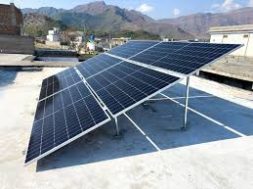
The decision may also encourage energy conservation and responsible consumption. While tariffs remain unchanged, consumers may continue adopting efficient appliances and rooftop solar solutions to reduce overall electricity usage and manage costs effectively.
Investment in grid modernization and service quality remains important despite stable tariffs. Utilities will continue upgrading infrastructure, strengthening distribution networks, and improving reliability to ensure consistent power supply.
The unchanged domestic tariff for FY 2026–27 reflects a balanced approach toward affordability and sector sustainability. The decision supports household financial stability while ensuring that power utilities continue delivering reliable electricity services across regions.
