



Electrification Drive Saves Indian Railways ₹6,000 Crore, Boosting Efficiency and Sustainability – EQ




In Short : Indian Railways has saved ₹6,000 crore by switching to electric power, as stated by Ashwini Vaishnaw in the Lok Sabha. The transition from diesel to electricity has reduced fuel costs and emissions. This move enhances operational efficiency, supports sustainability goals, and strengthens India’s commitment to cleaner and more cost-effective transportation systems.
In Detail : Indian Railways has achieved significant cost savings of ₹6,000 crore through its transition from diesel to electric traction, as highlighted by Ashwini Vaishnaw in the Lok Sabha. This milestone underscores the financial and environmental benefits of large-scale railway electrification.
The shift to electric power has substantially reduced dependence on diesel, which has traditionally been a major expense for railway operations. Rising global fuel prices had made diesel-based operations increasingly costly, prompting the need for a more sustainable alternative.
Electrification has improved operational efficiency across the railway network. Electric trains offer better acceleration, higher speeds, and lower maintenance requirements compared to diesel locomotives, resulting in enhanced service reliability and reduced turnaround times.
The initiative is part of a broader strategy to modernize the railway network and align it with India’s sustainability goals. By reducing carbon emissions, electrification contributes to cleaner transportation and supports national commitments toward climate change mitigation.
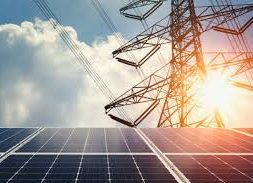
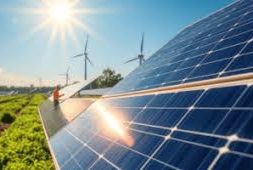
The transition also enables better energy management, as electricity can be sourced from a mix of generation sources, including renewable energy. This flexibility allows Indian Railways to gradually increase its use of clean energy in operations.
Infrastructure development has played a key role in achieving these savings. Extensive investments in overhead electrification systems, substations, and grid connectivity have enabled seamless operation of electric trains across major routes.
The cost savings generated through electrification can be reinvested into further modernization initiatives, including track upgrades, station redevelopment, and passenger amenities. This creates a positive cycle of improvement within the railway ecosystem.
The move also has long-term economic benefits by reducing exposure to fuel price volatility. Stable electricity costs provide greater predictability in operational expenses, improving financial planning and sustainability.
Overall, the ₹6,000 crore savings highlight the success of India’s railway electrification drive. It demonstrates how strategic investments in clean energy infrastructure can deliver both economic and environmental benefits, reinforcing the importance of sustainable practices in large-scale public transport systems.
