


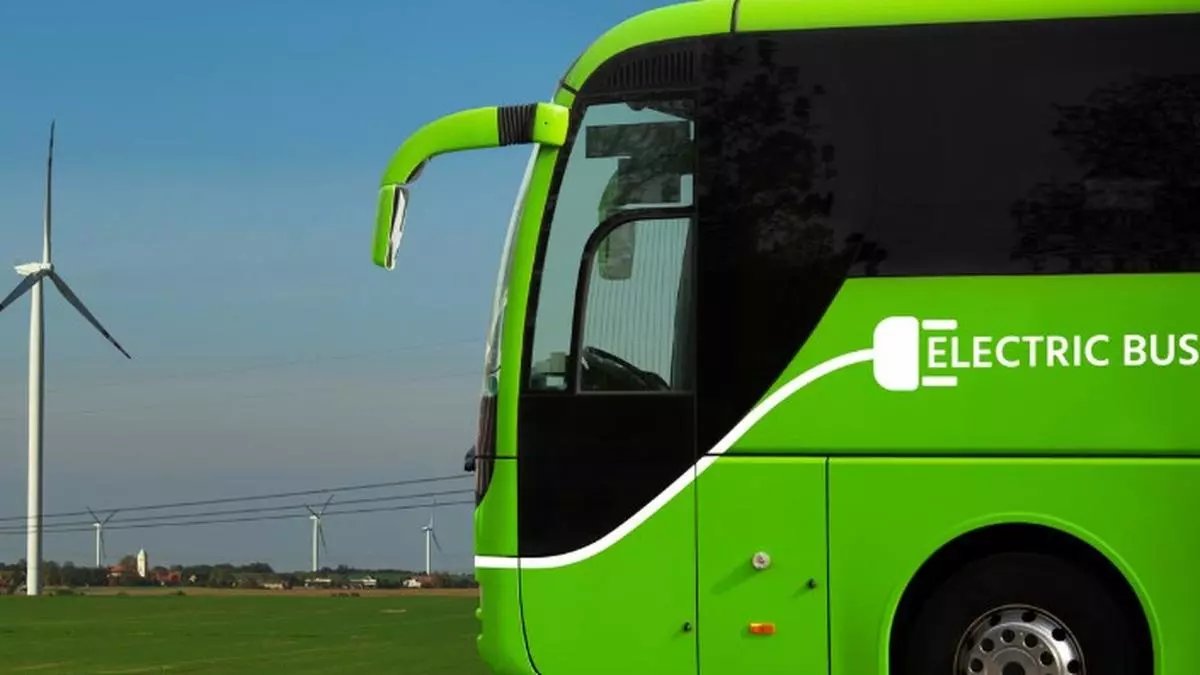







In Short : The flagging off of 50 AC electric buses for Nagpur, with 100 more in the pipeline, marks a significant step toward sustainable urban transport. The initiative strengthens clean mobility, reduces carbon emissions, and improves public transport quality. It reflects growing policy focus on electric mobility to address pollution, enhance energy efficiency, and modernize city transport systems.
In Detail : The flagging off of 50 AC electric buses for **Nagpur** by **Narendra Modi** marks a major milestone in the city’s transition toward clean and sustainable urban mobility. This initiative represents a strategic effort to modernize public transport systems while addressing the twin challenges of rising pollution and increasing urban travel demand.
The introduction of electric buses reflects a broader shift in national transport policy toward low-emission mobility solutions. Urban centers across the country are under pressure to reduce vehicular pollution, which is a major contributor to poor air quality and public health issues. Electric buses offer a practical alternative by eliminating tailpipe emissions and significantly reducing noise pollution.
The deployment of AC e-buses also enhances the quality of public transport services. Air-conditioned electric buses provide a more comfortable, reliable, and modern travel experience for commuters, which can encourage greater use of public transport. This helps reduce dependence on private vehicles, easing traffic congestion and lowering overall emissions.
From an environmental perspective, electric buses contribute directly to climate mitigation efforts. By replacing diesel-powered buses, these vehicles reduce greenhouse gas emissions and local air pollutants such as particulate matter and nitrogen oxides. This leads to improved urban air quality and better health outcomes for city residents.
The plan to introduce 100 more electric buses further strengthens the long-term impact of this initiative. A larger fleet allows for wider route coverage, higher service frequency, and greater accessibility across the city. This expansion supports the development of a fully integrated electric public transport ecosystem.
Energy efficiency is another key advantage of electric buses. Compared to conventional internal combustion engines, electric drivetrains convert energy more efficiently and have lower operating costs. Over time, this reduces fuel expenditure for transport authorities and lowers maintenance costs due to fewer mechanical components.
The initiative also has important economic implications. Large-scale adoption of electric buses stimulates demand for electric vehicle manufacturing, charging infrastructure, and maintenance services. This creates new employment opportunities and supports the growth of domestic clean technology industries.
Infrastructure development plays a critical role in the success of electric mobility. Charging stations, power supply upgrades, and smart fleet management systems are essential for reliable operations. Investments in such infrastructure not only support electric buses but also lay the foundation for broader electric vehicle adoption in cities.
