




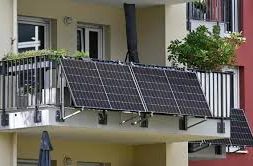


In Short : Declining battery storage costs are making solar energy capable of meeting up to 90% of India’s electricity demand. Lower storage prices improve round-the-clock renewable supply, reduce curtailment, and enhance grid flexibility. The trend supports large-scale solar deployment combined with storage, enabling reliable clean power, lowering fossil fuel dependence, and accelerating India’s transition toward a high-renewable energy system.
In Detail : Rapid declines in battery storage costs are significantly improving the viability of solar power as a dominant electricity source in India. With affordable storage, excess solar generation produced during daytime can be stored and dispatched during evening and nighttime demand peaks, enabling solar to meet a much larger share of overall power consumption.
Energy storage plays a critical role in addressing solar’s intermittency challenges. By pairing solar plants with battery systems, developers can provide firm and dispatchable power, reducing reliance on coal and gas-based generation during non-solar hours. This improves grid stability while expanding renewable penetration.
Lower battery prices are also improving the economics of round-the-clock renewable energy supply. Hybrid solar-plus-storage projects can now compete with conventional generation by delivering predictable output profiles and reducing the need for backup fossil fuel capacity.
As storage costs continue to decline, utilities can deploy larger battery systems to manage peak demand more effectively. Stored solar power can be released during high-demand periods, helping avoid expensive peak-time generation and reducing overall system costs.
The growing affordability of batteries also minimizes renewable energy curtailment. During periods of high solar generation and low demand, surplus electricity can be stored instead of being wasted, improving project efficiency and revenue potential.
Integration of large-scale battery storage further enhances grid flexibility by enabling fast-response balancing services. Batteries can quickly respond to fluctuations in supply and demand, supporting frequency control and improving power system reliability.
The development is expected to accelerate investments in solar-plus-storage projects across India. Developers are increasingly incorporating battery systems into project designs to meet evolving tender requirements and provide dispatchable renewable power.
High solar penetration supported by storage could also reduce dependence on imported fossil fuels. Increasing domestic renewable generation improves energy security while lowering exposure to fuel price volatility.
With battery costs continuing to fall, solar power combined with storage is emerging as a cornerstone of India’s future electricity mix, with the potential to supply a majority share of demand while enabling a cleaner, more resilient, and cost-effective power system.
