







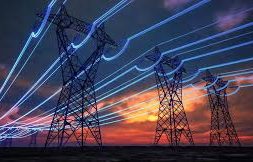


In Short : AI is revolutionizing clean energy by optimizing grid management, forecasting renewable energy production, and enhancing energy storage efficiency. It stabilizes power grids by predicting fluctuations, improves renewable integration through accurate forecasts, and manages battery storage dynamically. On the consumer side, AI-driven smart systems reduce energy consumption, while predictive maintenance in renewable infrastructure minimizes downtime and prolongs asset lifespan.
In Detail : Artificial intelligence (AI) is playing a transformative role in the clean energy sector, reshaping how energy is generated, managed, and consumed. As global efforts intensify to reduce carbon emissions, AI-driven solutions are being implemented to optimize power grids, forecast renewable energy production, and enhance energy efficiency. By leveraging data and advanced algorithms, AI is helping the energy industry become more resilient and sustainable.
One of the most significant applications of AI is in grid management. Traditional grids often struggle to accommodate the variable nature of renewable energy sources like wind and solar. AI-powered systems help stabilize grids by predicting fluctuations and dynamically adjusting the power supply. This real-time optimization minimizes energy wastage and reduces the risk of blackouts, ensuring a more reliable and efficient energy distribution.
In addition to grid management, AI significantly improves renewable energy forecasting. Machine learning models analyze weather data, historical trends, and real-time information to predict solar and wind power generation accurately. These forecasts help grid operators balance supply and demand more effectively, reducing the need for backup fossil fuel plants. By accurately anticipating energy production, AI supports greater integration of renewables into the existing power systems.
Energy storage is another critical area where AI is making an impact. As renewables become more prominent, storing surplus energy and utilizing it efficiently during peak demand becomes crucial. AI-driven systems determine optimal storage and discharge schedules, ensuring that energy is used efficiently while maintaining grid stability. This smart management of battery storage helps maximize the utilization of renewable resources and reduces reliance on non-renewable backup power.
On the consumer front, AI enhances energy efficiency through intelligent home systems. Smart devices learn consumption patterns and adjust operations accordingly, such as thermostats that regulate heating and cooling based on occupancy and weather forecasts. These personalized adjustments help reduce energy wastage while lowering utility bills. AI-enabled energy management systems also allow users to monitor and control their energy use remotely, promoting more sustainable living practices.
AI also supports the maintenance of renewable energy infrastructure by predicting equipment failures before they occur. For example, AI algorithms can detect irregularities in wind turbines, prompting maintenance teams to take preventive action. This predictive maintenance reduces downtime, lowers repair costs, and ensures consistent energy generation. As AI technologies continue to evolve, their role in accelerating the clean energy transition will only grow more vital.
