








In Short : The Haryana government plans to implement decentralised renewable energy solutions in villages across the state. The initiative will use solar microgrids, rooftop solar systems, and other distributed energy technologies to provide reliable and clean power to rural communities. This approach aims to enhance energy access, reduce dependence on conventional sources, and support Haryana’s broader sustainable development and clean energy objectives.
In Detail : The Haryana government is preparing to implement decentralised renewable energy solutions across villages in the state. The initiative aims to provide reliable and sustainable electricity to rural communities, reducing dependence on conventional grid power while promoting clean energy adoption.
Solar microgrids will form a key component of the plan. These locally managed systems can supply consistent electricity to households and community facilities, even in remote areas, enhancing energy security.
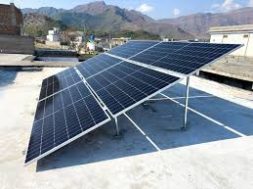
Rooftop solar installations are also expected to be promoted. By generating power at the point of use, these systems reduce transmission losses and empower communities to harness local renewable resources efficiently.
Other distributed energy technologies, including small-scale wind turbines and biomass-based generation, may complement solar initiatives. This diversified approach ensures a more resilient and balanced rural energy ecosystem.
The program aims to improve energy access in villages where grid connectivity is limited or unreliable. Decentralised solutions offer flexibility and reliability, meeting the specific needs of rural households, schools, and small businesses.
The government also plans to encourage local participation and ownership of these energy systems. Community engagement and training will ensure long-term sustainability and proper operation of the renewable installations.
Incentives and support mechanisms are expected to be provided to facilitate adoption. Subsidies, financing options, and technical guidance will help households and communities transition to clean energy solutions.
The initiative aligns with Haryana’s broader renewable energy and sustainable development goals. By implementing decentralised energy projects, the state can reduce carbon emissions and advance its commitment to clean and green energy.
Once executed, these decentralised solutions are expected to create economic opportunities, generate employment in installation and maintenance, and serve as a model for other states aiming to provide rural communities with reliable, sustainable power.
