



Haryana Regulator Pushes for Modernisation and Efficiency in Power Distribution Network – EQ





In Short : The Haryana Electricity Regulatory Commission has emphasized the need for modernisation and improved efficiency in the state’s power distribution system. The focus is on reducing technical and commercial losses, strengthening infrastructure, and adopting digital solutions. These measures aim to enhance service quality, ensure reliable power supply, and support Haryana’s growing electricity demand in a sustainable and financially viable manner.
In Detail : The Haryana Electricity Regulatory Commission has called for comprehensive modernisation of the state’s power distribution system, highlighting the urgent need to improve operational efficiency and service reliability. The regulator has stressed that strengthening the distribution network is critical for meeting rising electricity demand and ensuring long-term sustainability of the power sector.
One of the key areas of focus is the reduction of technical and commercial losses, which continue to pose a significant challenge for distribution companies. High losses not only impact financial performance but also reduce the quality and reliability of power supply to consumers across urban and rural areas.
The commission has underlined the importance of upgrading ageing infrastructure, including transformers, substations, and distribution lines. Modern equipment and better network planning are expected to minimize outages, improve voltage stability, and enhance overall system resilience.
Digitalisation has been identified as a major driver of efficiency in the distribution sector. The adoption of smart meters, automated billing systems, and real-time monitoring tools can improve transparency, enable accurate energy accounting, and support better demand management.
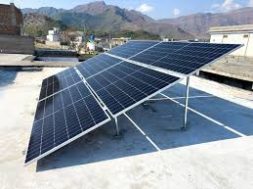
Improved efficiency in power distribution is also seen as essential for integrating renewable energy into the grid. As solar and wind capacity continues to grow, distribution systems must be capable of handling variable power flows and ensuring seamless connectivity for decentralized energy sources.
The regulator has also highlighted the need for better consumer services, including faster complaint resolution, transparent billing, and improved communication channels. A modern distribution system should not only focus on infrastructure but also enhance the overall customer experience.
Financial sustainability of distribution companies remains another critical concern. The commission has emphasized that efficiency improvements are necessary to reduce revenue gaps, control operational costs, and improve the overall financial health of utilities.
Capacity building and workforce training have been identified as important enablers of modernisation. Skilled personnel are required to manage advanced technologies, implement digital tools, and maintain complex power systems efficiently.
Overall, the push for modernisation and efficiency reflects a broader effort to transform Haryana’s power distribution sector into a more reliable, consumer-centric, and future-ready system. By improving infrastructure, reducing losses, and adopting smart technologies, the state aims to create a robust distribution framework that supports economic growth and sustainable energy development.
