



Hindustan Zinc and JNCASR Pioneer Zinc-Ion Battery Technology for Grid-Scale Energy Storage – EQ




In Short : Hindustan Zinc, in collaboration with the Jawaharlal Nehru Centre for Advanced Scientific Research (JNCASR), has developed advanced zinc-ion battery prototypes aimed at large-scale renewable energy storage. The partnership focuses on creating a safe, cost-effective, and sustainable alternative to lithium-based batteries, supporting India’s growing need for reliable energy storage to integrate solar and wind power into the national grid.
In Detail ; Hindustan Zinc has partnered with the Jawaharlal Nehru Centre for Advanced Scientific Research (JNCASR) to develop zinc-ion battery prototypes designed specifically for large-scale renewable energy storage applications. This collaboration brings together industrial expertise and advanced scientific research to address one of the biggest challenges in the clean energy transition—efficient and affordable energy storage.
The zinc-ion battery technology is being positioned as a promising alternative to conventional lithium-ion systems, which face challenges related to high costs, limited raw material availability, and safety concerns. Zinc, being more abundant and widely available, offers a strategic advantage in building a scalable and sustainable energy storage ecosystem.
One of the key benefits of zinc-ion batteries is their improved safety profile. Unlike lithium-based batteries, zinc-ion systems are non-flammable and have lower risks of thermal runaway, making them more suitable for grid-scale installations where safety and operational reliability are critical.
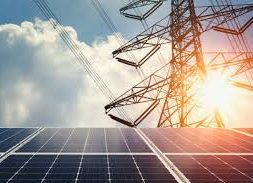
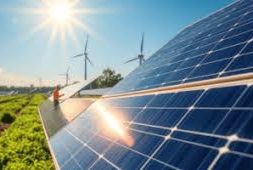
The prototypes developed under this initiative are intended to support large-scale storage of electricity generated from renewable sources such as solar and wind. By storing excess energy during periods of high generation and releasing it during peak demand, these batteries can help stabilize power supply and improve grid reliability.
From a technological perspective, the collaboration focuses on enhancing energy density, charge-discharge efficiency, and cycle life of zinc-ion batteries. Researchers are working on advanced electrode materials, optimized electrolytes, and improved cell design to ensure long-term performance suitable for industrial deployment.
For Hindustan Zinc, this initiative aligns with its broader strategy of expanding the industrial applications of zinc beyond traditional uses such as galvanization and alloys. By entering the energy storage domain, the company is positioning zinc as a critical material in the global clean energy value chain.
JNCASR’s role in the partnership brings strong scientific depth, with its researchers contributing fundamental research, laboratory testing, and performance validation. This academic-industry collaboration accelerates the transition from laboratory prototypes to commercially viable energy storage solutions.
The development of indigenous battery technology also supports India’s national objectives of technological self-reliance and energy security. Domestic zinc-ion battery solutions can reduce dependence on imported lithium and other critical minerals, while also strengthening local manufacturing and research capabilities.
Overall, the zinc-ion battery initiative by Hindustan Zinc and JNCASR represents a significant step toward building affordable, safe, and scalable energy storage systems. As renewable energy capacity continues to expand, such innovations will play a crucial role in enabling reliable power delivery and supporting India’s long-term clean energy ambitions.


