India Moves Toward a Digital Power Marketplace with Launch of Energy Stack Pilots – EQ





In Short : India is set to launch pilot projects under the India Energy Stack, beginning with peer-to-peer power trading. The initiative aims to create a unified digital framework for the electricity sector, enabling direct energy transactions, improving interoperability, supporting renewable integration, and transforming the power market into a more transparent, decentralized, and technology-driven ecosystem.
In Detail : India is preparing to roll out the first pilot projects under the India Energy Stack, marking a significant step toward building a digital foundation for the country’s power sector. These pilots signal a shift from conventional electricity systems to a modern, data-driven framework where digital infrastructure plays a central role in how energy is produced, traded, and consumed.
The India Energy Stack is envisioned as a national digital public infrastructure that connects all participants in the electricity ecosystem through standardized digital interfaces. It aims to bring together utilities, regulators, system operators, generators, consumers, and technology providers on a common platform, ensuring seamless data exchange and improved coordination across the sector.
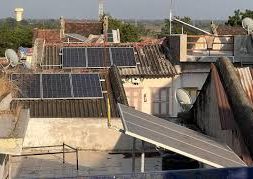
The first major use case under the pilot phase is peer-to-peer power trading, which allows consumers and prosumers to trade electricity directly with each other. This model enables households and businesses with rooftop solar or other distributed energy resources to sell surplus power to nearby users, creating a more participatory and flexible electricity market.
Peer-to-peer trading represents a fundamental change in how electricity flows within the grid. Instead of relying solely on centralized power plants and one-way distribution, energy can now move across multiple points in a decentralized manner. This multi-directional flow enhances local energy balancing, reduces transmission losses, and promotes efficient use of renewable resources.
The pilots are expected to test not only technological readiness but also regulatory adaptability. Distribution companies and electricity regulators will play a key role in ensuring that peer-to-peer transactions are aligned with grid stability, consumer protection, and tariff structures. These trials will help shape future policies and commercial frameworks.
Unlike traditional centralized power exchanges, the India Energy Stack itself will not operate trading platforms. Instead, it will provide open digital standards that private companies can use to build applications for trading, billing, settlement, and analytics. This approach encourages innovation and competition while maintaining interoperability across platforms.
One of the most important benefits of the India Energy Stack is its potential to accelerate renewable energy integration. As distributed energy resources such as solar rooftops, battery storage, and electric vehicles expand, the digital stack can enable smarter coordination between generation and consumption, making clean energy more reliable and economically viable.
Over time, the digital infrastructure could support advanced energy services such as real-time pricing, demand response, flexible tariffs, and consumer-centric energy products. These features can empower users with greater control over their energy usage while helping utilities optimize grid operations through data-driven insights.
Overall, the India Energy Stack represents a transformative shift toward a digital-first electricity ecosystem. By enabling peer-to-peer trading and building a shared technological backbone, the initiative has the potential to reshape power markets, empower consumers, attract private innovation, and create a more resilient, transparent, and future-ready energy system for India.