India–Russia 2030 Vision: Strengthening Energy, Connectivity, and Critical Mineral Cooperation – EQ






In Short : Prime Minister Narendra Modi and President Vladimir Putin have expanded India–Russia cooperation through a comprehensive 2030 agenda covering energy, transport connectivity, nuclear collaboration, and critical minerals. The plan strengthens bilateral ties, enhances strategic resilience, supports India’s industrial and clean-energy goals, and deepens economic engagement through diversified supply chains and long-term infrastructure partnerships.
In Detail : India and Russia have unveiled a forward-looking 2030 cooperation agenda designed to reinforce their long-standing strategic partnership. This expanded framework reflects both nations’ commitment to deeper geopolitical, economic, and technological collaboration at a time when global alliances are rapidly shifting.
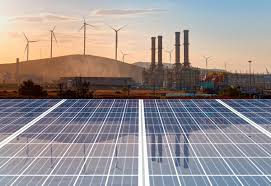
Energy remains at the heart of the new roadmap, with agreements focused on oil, natural gas, nuclear power, and renewable technologies. India aims to secure stable, long-term energy supplies, while Russia seeks stronger integration into Asian markets—a mutually beneficial alignment of priorities.
The agenda places major emphasis on the development of transport and logistics links. Strengthening corridors such as the International North-South Transport Corridor (INSTC) and exploring new maritime and rail connections will reduce transit time, boost trade volumes, and enhance regional connectivity.
Critical minerals are another strategic pillar of the partnership, as India pushes to secure essential materials for electric vehicles, renewable energy systems, and advanced manufacturing. Russia’s vast mineral reserves offer India a reliable source of lithium, cobalt, and rare earths needed for its industrial and green-energy ambitions.
Nuclear cooperation continues to expand, with both countries reaffirming their commitment to joint development of reactors, fuel supply chains, and peaceful nuclear technologies. Projects like Kudankulam symbolize a long-term collaboration essential for India’s low-carbon energy future.
Defence and security cooperation, though long-established, also gains new momentum under the 2030 vision. Both leaders emphasized technology sharing, co-production, and modernization as key priorities to support India’s self-reliance goals and maintain regional stability.
Economic ties are set to deepen through diversified trade, local currency settlement mechanisms, and efforts to reduce dependence on traditional global supply routes. These steps help strengthen resilience against geopolitical and market uncertainties.
The agenda further highlights cooperation in space, digital innovation, academia, and cultural exchanges. Such areas broaden the partnership beyond strategic sectors and encourage closer people-to-people interaction between the two countries.
Overall, the Modi–Putin 2030 agenda marks a significant advance in India–Russia relations, combining energy security, connectivity, technological collaboration, and strategic minerals under one cohesive vision. The roadmap positions both nations to navigate emerging global dynamics while building a stable, future-ready partnership.