



India Targets Complete EV Battery Value Chain Within 2–3 Years to Boost Clean Mobility – EQ






In Short : India plans to establish a complete electric vehicle battery ecosystem within the next two to three years, focusing on mining, processing, cell manufacturing, and recycling. The initiative aims to reduce import dependence, secure critical minerals, and support EV growth. The strategy will strengthen domestic manufacturing, improve supply chain resilience, and accelerate India’s transition toward sustainable mobility.
In Detail : India is accelerating efforts to build a complete electric vehicle battery ecosystem within the next two to three years, signaling a major push toward self-reliance in clean mobility technologies. The plan focuses on strengthening the entire value chain, from sourcing raw materials to manufacturing battery cells and developing recycling infrastructure.
The initiative emphasizes securing access to critical minerals such as lithium, cobalt, nickel, and graphite. These materials are essential for EV batteries, and ensuring reliable supply is crucial for scaling domestic manufacturing. India is actively exploring domestic resources while also pursuing international partnerships to secure long-term availability.
Developing refining and processing capacity is another key component of the strategy. Processing raw minerals into battery-grade materials remains a significant gap in the supply chain. Expanding this capability within the country will reduce reliance on imports and improve cost competitiveness for local battery manufacturers.
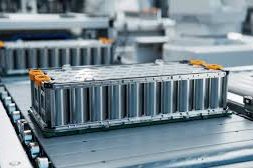
Cell manufacturing is expected to play a central role in the ecosystem. Establishing gigafactories and scaling production capacity will help meet the rapidly growing demand for EV batteries. Domestic cell production also supports localization goals and strengthens India’s automotive and mobility industries.
The plan also includes expanding battery pack assembly and integration capabilities. As EV adoption increases across passenger vehicles, two-wheelers, and commercial fleets, demand for localized battery solutions is rising. Building a complete ecosystem ensures efficient production and faster deployment.
Recycling and circular economy practices are another important pillar. Recovering valuable materials from end-of-life batteries reduces dependence on primary mining and supports sustainability goals. Recycling infrastructure also helps manage environmental impacts associated with battery disposal.
Government support through policy frameworks and incentives is expected to accelerate ecosystem development. Production-linked incentives, infrastructure support, and regulatory clarity are likely to encourage investments across mining, manufacturing, and recycling segments.
The development aligns with India’s broader EV adoption goals and clean energy transition. A strong battery ecosystem will reduce costs, improve energy security, and enable large-scale electrification of transport. It also supports domestic industry growth and job creation.
Building a complete EV battery value chain within the next few years will position India as a competitive global player in battery manufacturing. The initiative is expected to strengthen supply chains, accelerate EV adoption, and support long-term sustainable mobility ambitions.
