



India to Pilot Battery Storage at Coal Plants for Reliable Grid Amid Rising Solar Power – EQ




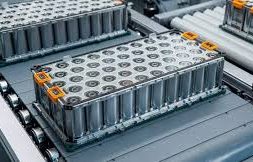




In Short : India will pilot battery storage systems at coal plants to stabilize the grid as solar generation grows. The move aims to balance intermittent renewable supply with steady demand, ensuring reliable power. By combining storage with coal infrastructure, India looks to cut emissions, enhance flexibility, and strengthen its transition toward a more sustainable and resilient energy future.
In Detail : India is preparing to launch pilot projects that integrate battery storage systems with coal-fired power plants, a move aimed at addressing challenges posed by the rapid growth of solar power. As renewable capacity continues to expand, balancing fluctuations in supply with stable demand has become a key priority for grid reliability and energy security.
The initiative represents a forward-looking approach to utilizing existing coal infrastructure while complementing it with modern clean energy technologies. By installing battery storage, coal plants can provide flexible backup during periods when solar generation dips, ensuring uninterrupted supply without relying entirely on fossil fuel ramp-ups.
Solar power, though abundant and rapidly growing, is inherently intermittent, dependent on weather and daylight conditions. This intermittency creates stress on the national grid, requiring new mechanisms to balance generation and demand. Battery storage solutions at coal plants will help bridge these gaps efficiently and sustainably.
By piloting such projects, India is also aiming to reduce the overall carbon intensity of its coal fleet. Integrating storage allows plants to operate more efficiently by lowering the need for frequent ramping, which not only saves fuel but also cuts emissions, improving environmental performance.
The government’s decision aligns with its broader clean energy transition goals, where coal remains part of the mix but is steadily supplemented by renewable energy. With these pilots, India is signaling its intent to use hybrid approaches that optimize both existing assets and future-focused technologies.
Battery storage at coal plants can also provide ancillary services such as frequency regulation and voltage support, which are vital for maintaining grid stability. These capabilities will become increasingly important as renewable energy penetration grows, making the grid more variable and complex to manage.
Such pilots will also help India build expertise and technical know-how in integrating large-scale battery systems with conventional plants. Lessons learned from these projects will shape future policies, encourage private sector participation, and open pathways for scaling such hybrid models nationwide.
Additionally, the move is expected to attract investment in energy storage technologies, which are central to India’s long-term renewable expansion plans. With costs of batteries steadily declining, these projects can become more economically viable, further boosting the business case for sustainable energy solutions.
Overall, India’s plan to test battery storage at coal plants demonstrates a pragmatic step in balancing immediate energy needs with long-term sustainability. By merging traditional power infrastructure with innovative storage systems, the country is creating a roadmap for reliable, cleaner, and more resilient energy in the future.
