



India Urges Global Unity to Strengthen Energy Security for Vulnerable Island Nations at CoP30 – EQ


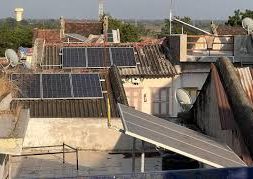


In Short : India urged stronger global cooperation to ensure energy security for Small Island Developing States (SIDS) during discussions at CoP30. Highlighting their vulnerability to climate change and rising energy costs, India called for inclusive financing, accessible technology, and resilient clean-energy systems. The country emphasized that SIDS need priority support to transition to renewables and strengthen long-term climate resilience.
In Detail : India emphasized the urgent need for stronger global cooperation to support energy security in Small Island Developing States during CoP30. These nations face some of the highest levels of climate vulnerability worldwide. Rising sea levels and extreme weather events threaten their fragile energy systems. India stressed that their challenges must be treated as a global responsibility. Ensuring energy stability for them is critical for climate justice. Their survival depends on timely international support.
The country highlighted that SIDS often rely heavily on costly imported fossil fuels. This dependence exposes them to volatile markets and supply disruptions. Transitioning to renewables is essential for long-term stability. India noted that many islands lack the financial and technical capacity to adopt clean energy at scale. Global partnerships can bridge these gaps effectively. Without support, their energy insecurity will deepen.
India called for inclusive climate financing tailored to the needs of SIDS. Traditional funding mechanisms are often slow and inaccessible. Many island nations struggle to meet eligibility requirements. India urged developed countries to simplify financial channels. Faster approvals can help accelerate clean energy deployment. Climate finance must reach the most vulnerable first.
The delegation also underscored the importance of affordable technology access. Advanced renewable systems remain financially out of reach for many islands. India proposed technology-sharing partnerships to reduce costs. This would allow SIDS to adopt solar, wind, and hybrid systems more rapidly. Technology access can also support disaster-resilient infrastructure. Innovation must benefit all, not a select few.
Energy storage solutions were highlighted as essential for island stability. Many SIDS experience sharp fluctuations in renewable output. Battery systems can help ensure reliable supply during demand peaks. India stressed that global support must include storage investments. Strengthening resilience reduces dependency on diesel generators. Long-term planning requires firm and clean energy.
India pointed out that SIDS also face limitations in grid infrastructure. Harsh weather often damages existing systems. Strengthening distribution networks is critical for energy reliability. Global cooperation can help modernize these weak grids. Resilient infrastructure supports both emergency response and daily life. Without grid stability, clean energy gains cannot be sustained.
The nation also highlighted the role of capacity building. Many SIDS need trained professionals to maintain renewable systems. India offered collaboration through skill development programs. Sharing expertise can accelerate local adoption of clean energy technologies. Human resource development ensures projects remain functional. Empowering communities results in long-term sustainability.
India reinforced that supporting SIDS aligns with global climate commitments. These nations contribute least to emissions yet suffer the worst impacts. Ensuring their energy security is a matter of equity. India urged countries to act collectively rather than individually. Coordinated efforts will create more resilient island economies. True climate leadership requires solidarity.
In closing, India reminded the global community that SIDS cannot walk this path alone. Their unique vulnerabilities demand immediate and meaningful cooperation. Energy security is essential for their survival and climate resilience. India called for urgent action, not distant promises. The world must prioritize the most fragile nations. Collective responsibility will shape a safer and more sustainable future.
