



India’s Digital Inflection Point: How Virtual Twins, AI and Data Are Reshaping Industry – EQ

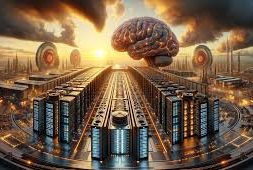







In Short : India is entering a digital turning point where virtual twins, artificial intelligence, and data-driven systems are transforming industrial operations. These technologies are enabling smarter decision-making, predictive maintenance, real-time optimization, and greater efficiency across sectors such as manufacturing, energy, infrastructure, and logistics, positioning India for a more competitive, resilient, and innovation-led industrial future.
In Detail : India is witnessing a major digital inflection point as industries increasingly adopt advanced technologies such as virtual twins, artificial intelligence, and data analytics. Together, these tools are redefining how organizations design, operate, and optimize assets, moving from reactive and manual processes toward intelligent, automated, and predictive systems.
Virtual twins, or digital replicas of physical systems, are becoming central to this transformation. By creating real-time digital models of factories, power plants, transport networks, and infrastructure, companies can simulate scenarios, test performance, and predict failures before they occur. This allows industries to reduce downtime, improve asset utilization, and enhance operational reliability.
Artificial intelligence acts as the intelligence layer that powers these virtual environments. AI algorithms analyze vast volumes of data generated by machines, sensors, and operational systems to identify patterns, detect anomalies, and generate actionable insights. This enables faster decision-making and supports continuous improvement in complex industrial processes.
Data serves as the foundation of this digital ecosystem. With the proliferation of IoT devices, cloud platforms, and connected systems, industries now have access to unprecedented levels of real-time and historical data. When properly managed and analyzed, this data becomes a strategic asset that drives efficiency, productivity, and innovation.
In manufacturing, these technologies are enabling smart factories that can self-optimize production lines, predict equipment failures, and adapt to changing demand patterns. This shift improves quality, reduces waste, lowers costs, and enhances global competitiveness of Indian manufacturers.
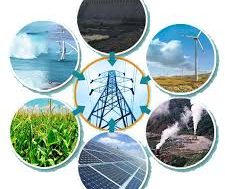
In the energy and infrastructure sectors, virtual twins and AI are helping manage complex systems such as power grids, renewable energy plants, and urban infrastructure. Predictive analytics supports better load management, maintenance planning, and integration of renewable energy, contributing to system resilience and sustainability.
Logistics and supply chains are also being transformed through digital intelligence. AI-driven forecasting, real-time tracking, and digital simulations allow companies to optimize routes, manage inventory more efficiently, and respond dynamically to disruptions, improving overall supply chain resilience.
From a workforce perspective, this digital shift is changing skill requirements. Industries increasingly need professionals with expertise in data science, AI engineering, systems modeling, and digital operations. This is driving demand for upskilling, reskilling, and closer collaboration between industry and educational institutions.
Overall, India’s digital turning point represents a structural shift in how industries operate and compete. By integrating virtual twins, AI, and data at scale, Indian enterprises are moving toward a future of intelligent, adaptive, and resilient industrial systems that can support sustainable growth, innovation, and global leadership.
