




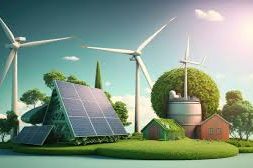





In Short : India’s non-fossil power generation share has moved steadily toward the one-third mark, reflecting sustained growth in renewables, hydro, and nuclear capacity. Rising solar and wind output, supported by policy initiatives and infrastructure investments, is reshaping the country’s power mix and strengthening progress toward long-term decarbonisation and energy security goals.
In Detail : India’s power generation mix is undergoing a significant transformation as the share of non-fossil sources continues to rise toward the one-third milestone. This shift reflects years of sustained investment in renewable energy, hydroelectric power, and nuclear generation, marking steady progress in reducing dependence on fossil fuel-based electricity.
Solar and wind energy have been the primary drivers behind the increase in non-fossil generation. Large-scale solar parks, rooftop installations, and expanding wind capacity have collectively boosted clean power output, helping non-fossil sources capture a larger share of total electricity generation.
Hydropower continues to play an important balancing role in the non-fossil mix. Both large and small hydro projects provide flexible generation that supports grid stability, particularly during peak demand periods and seasonal variations in renewable energy output.
Nuclear power also contributes to the growing non-fossil share by offering stable, base-load electricity with minimal carbon emissions. Ongoing capacity additions and improved plant performance have helped strengthen nuclear energy’s role in India’s long-term clean power strategy.
Policy support has been a critical enabler of this transition. Government initiatives promoting renewable capacity additions, transmission expansion, and market-based mechanisms have created an environment conducive to scaling non-fossil generation across the country.
The increasing share of clean power has delivered multiple benefits, including lower emissions intensity of electricity generation and reduced exposure to volatile fossil fuel markets. This shift enhances energy security while aligning the power sector with India’s climate commitments.
Grid integration and flexibility measures have become increasingly important as non-fossil generation grows. Investments in energy storage, hybrid projects, and advanced grid management systems are helping ensure reliable power supply despite the variable nature of renewable energy.
The rising contribution of non-fossil sources also supports economic development by attracting investment, generating employment, and fostering domestic manufacturing in clean energy technologies. These benefits extend beyond the power sector into broader industrial and regional growth.
Overall, the move toward a one-third share of non-fossil power generation marks a key milestone in India’s energy transition. Continued policy focus, infrastructure development, and technology deployment will be essential to sustain momentum and advance toward a cleaner, more resilient power system.
