



India’s Power Supply Nears 24×7 as Losses Decline and Infrastructure Push Delivers Results – EQ









In Short : India is moving closer to round-the-clock power supply as transmission and distribution losses decline and infrastructure investments improve reliability. Government reforms, grid expansion, and smart metering initiatives have strengthened power availability. Enhanced generation capacity and distribution efficiency are supporting consistent electricity supply, benefiting households, industries, and economic growth across the country.
In Detail : India is steadily approaching the goal of round-the-clock power supply as improvements in transmission and distribution infrastructure reduce losses and enhance grid reliability. Investments in generation capacity, transmission networks, and distribution reforms are helping ensure more consistent electricity availability across both urban and rural regions.
Declining aggregate technical and commercial losses have played a key role in improving power supply. Distribution companies have strengthened monitoring systems, upgraded networks, and improved billing efficiency, which has reduced energy losses and improved financial performance across the power sector.
The expansion of transmission infrastructure has also contributed significantly to reliable electricity supply. New high-capacity transmission lines and substations have improved power flow between regions, enabling better balancing of demand and supply across states.
Government initiatives focused on distribution reforms have accelerated modernization of power infrastructure. Programs supporting feeder separation, network strengthening, and improved metering systems have helped utilities deliver more dependable electricity to consumers.
Smart metering and digitalization efforts are further enhancing efficiency. Advanced metering infrastructure improves billing accuracy, reduces power theft, and enables real-time monitoring, which supports better demand management and improved service quality.
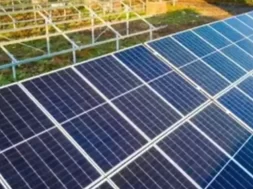
Increased generation capacity, particularly from renewable energy sources, has also strengthened supply availability. The addition of solar, wind, and hybrid projects is helping meet rising electricity demand while diversifying the energy mix.
Improved coordination between generation, transmission, and distribution segments has enhanced operational efficiency. Grid management systems and forecasting tools allow operators to maintain stability and reduce outages during peak demand periods.
Reliable power supply is benefiting industries, agriculture, and households by reducing disruptions and supporting economic activity. Consistent electricity availability helps improve productivity, supports digital infrastructure, and enhances quality of life across regions.
India’s progress toward near 24×7 power supply reflects the impact of sustained infrastructure investment and policy reforms. Continued focus on reducing losses, strengthening networks, and expanding capacity is expected to further improve reliability and support long-term economic and energy sector growth.
