







In Short : India’s renewable energy share reached 44% of its total power capacity in Q2 2024, reflecting the nation’s commitment to cleaner energy. Solar and wind power are key contributors, with significant growth in both sectors. India aims to achieve 500 GW of non-fossil fuel capacity by 2030, backed by government incentives and investments in green technologies.
In Detail : India’s renewable energy capacity reached a significant milestone in the second quarter of 2024, with renewables now accounting for 44% of the country’s total installed power capacity. This represents a substantial increase as India continues its transition toward cleaner and more sustainable energy sources. The rise in renewable energy share reflects the nation’s growing commitment to meeting its climate goals and enhancing energy security.
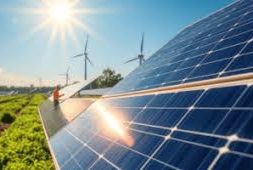
A major contributor to this growth is the expansion of solar power, which remains a dominant force in India’s renewable energy landscape. The country has made significant strides in both large-scale solar projects and rooftop solar installations. India’s vast geographical expanse, with abundant sunlight, provides ideal conditions for solar energy development, and ongoing efforts from both the government and private sector are driving rapid deployment.
In addition to solar power, wind energy continues to play a crucial role in India’s renewable mix. With strong potential in states like Tamil Nadu, Gujarat, and Rajasthan, onshore wind projects have been steadily increasing. The government’s push for offshore wind energy also holds promise, as the nation explores new avenues to harness its coastal wind resources, further diversifying its renewable energy base.
Other renewable sources, such as hydropower and biomass, also contribute significantly to the growing share of clean energy. India has been focusing on tapping its potential for small, medium, and large hydropower projects, particularly in hilly regions where natural watercourses can generate consistent power. Biomass power plants, fueled by agricultural and industrial waste, provide additional capacity, especially in rural areas.
India’s continued push toward renewable energy is part of a broader effort to meet ambitious climate targets. The country has committed to achieving 500 GW of non-fossil fuel-based energy capacity by 2030 and ensuring 50% of its energy needs come from renewables. To achieve these goals, the Indian government has rolled out various initiatives, such as the Production Linked Incentive (PLI) scheme and incentives for green hydrogen production, all aimed at spurring investment and fostering innovation in clean energy technologies.
The rapid growth of renewables in India’s energy mix reflects both the country’s energy needs and its climate commitments. With further investments in technology, infrastructure, and policy support, India is well on its way to becoming a global leader in renewable energy, helping to drive down carbon emissions and transition to a more sustainable future.
