







In Short : India’s solar sector is evolving beyond a traditional market into a transformative mindset driven by policy support, innovation, and large-scale deployment. Rapid capacity additions, domestic manufacturing, and corporate renewable adoption are reshaping the energy landscape. The journey reflects India’s commitment to energy security, sustainability, and economic growth, positioning the country as a global leader in solar development.
In Detail : India’s solar energy journey has evolved significantly over the past decade, transforming from an emerging opportunity into a defining national mindset. The country is no longer viewed merely as a large demand center but as a hub of innovation, manufacturing, policy leadership, and large-scale deployment. This transformation reflects India’s commitment to clean energy and long-term sustainability.
Government policy support has played a critical role in shaping this solar landscape. Initiatives promoting domestic manufacturing, solar parks, rooftop adoption, and grid-scale deployment have accelerated growth. Policy clarity and long-term targets have encouraged investors, developers, and technology providers to scale operations across the country.
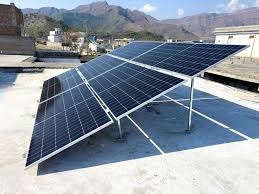
India’s expanding solar capacity continues to reshape the power sector. Large utility-scale projects, hybrid installations, and distributed generation models are becoming increasingly common. The integration of solar with storage and transmission infrastructure is further strengthening grid stability and reliability.
The manufacturing ecosystem is also undergoing rapid transformation. Domestic production of modules, cells, and components is increasing, supported by incentives and supply chain localization. This shift is reducing import dependence while building a resilient solar industry within the country.
Corporate renewable energy adoption is another key driver of the transforming landscape. Industrial and commercial consumers are increasingly sourcing solar power through open access, captive models, and power purchase agreements. This trend is accelerating clean energy deployment beyond utility-driven projects.
Rural electrification and decentralized solar solutions are contributing to inclusive growth. Solar-powered irrigation, mini-grids, and rooftop installations are improving energy access and supporting livelihoods across rural and semi-urban regions.
Financial institutions are also playing a major role by supporting project development and infrastructure expansion. Increasing access to green financing is helping developers scale operations and execute large pipelines of solar projects.
Technological advancements such as high-efficiency modules, digital monitoring, and energy storage are reshaping project economics. These innovations are improving performance while reducing long-term operational costs for solar installations.
India’s solar journey reflects a broader shift in thinking where clean energy is viewed as a strategic pillar for growth. The country is not just adopting solar as a power source but embedding it into economic development, industrial expansion, and sustainability goals, making India both a major market and a transformative solar mindset.
