









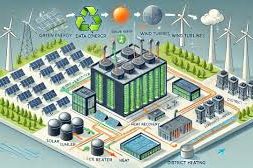
In Short : Jharkhand has released its energy transition roadmap, focusing on expanding renewable energy capacity while gradually reducing coal dependency. The plan emphasizes solar, wind, and hydro projects, alongside energy efficiency measures and grid modernization. By promoting clean energy adoption, the state aims to meet growing electricity demand sustainably, attract investment, and support India’s broader climate and decarbonization goals.
In Detail : Jharkhand has unveiled its energy transition roadmap, signaling a strong commitment to renewable energy expansion and reduced reliance on coal. The plan aims to balance growing electricity demand with environmental sustainability, positioning the state as a leader in India’s clean energy transition.
The roadmap emphasizes large-scale solar projects, targeting both utility-scale and distributed installations. Rooftop solar and solar parks will contribute to meeting electricity needs while reducing the carbon footprint of power generation.
Wind energy is also a key focus, with assessments underway to identify high-potential sites for onshore and hybrid projects. Developing wind infrastructure will diversify the energy mix and improve grid stability across the state.
Hydropower projects are being considered to complement solar and wind generation. By leveraging existing water resources, Jharkhand aims to ensure consistent, low-carbon electricity supply, especially during peak demand periods and intermittent renewable generation.
Energy efficiency measures form an integral part of the roadmap. Modernizing transmission infrastructure, upgrading distribution networks, and promoting energy-efficient appliances and industrial processes will reduce overall electricity consumption and enhance system reliability.
The state plans to attract private investment and public-private partnerships for renewable project development. Incentives, streamlined approvals, and supportive policies are expected to encourage both domestic and international players to participate in Jharkhand’s energy transition.
Workforce development and skill training are included in the roadmap to support the growing renewable sector. Programs will focus on technicians, engineers, and project managers to ensure the availability of skilled professionals for project execution and operations.
Community engagement and social inclusion are also highlighted. Ensuring local participation in renewable projects and creating employment opportunities will foster socio-economic development while supporting the state’s sustainability goals.
