Jindal Stainless, Oyster Renewable Activate 315.6 MW Hybrid Power Project – EQ





In Short : Jindal Stainless and Oyster Renewable have commenced phased commissioning of a 315.6 MW hybrid renewable power project combining wind and solar generation. The initiative will supply clean electricity to Jindal Stainless operations, reduce emissions, and lower energy costs. The project highlights rising corporate renewable procurement and supports industrial decarbonization and long-term sustainability objectives.
In Detail : Jindal Stainless, in collaboration with Oyster Renewable, has begun the phased commissioning of a 315.6 MW hybrid renewable energy project designed to power its manufacturing operations with clean electricity. The development represents a significant step in the company’s decarbonization journey and reflects the growing role of hybrid renewable solutions in meeting the energy needs of large industrial consumers while supporting sustainable manufacturing practices.
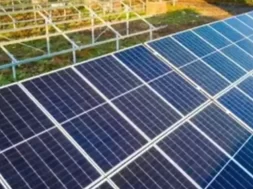
The project combines both wind and solar power generation, enabling a complementary production profile that maximizes energy output throughout the day and across seasons. Solar generation contributes during daytime hours, while wind power typically provides generation during evening and night periods, resulting in improved supply stability and better utilization of infrastructure compared to standalone renewable projects.
Electricity generated from the hybrid facility will be supplied to Jindal Stainless’ manufacturing operations, helping reduce dependence on conventional grid power sourced from fossil fuels. The transition to renewable energy is expected to significantly lower the company’s carbon footprint, supporting its environmental, social, and governance commitments while aligning with broader industrial decarbonization goals in the metals sector.
The phased commissioning approach allows gradual synchronization of individual project components, including wind turbines and solar arrays, ensuring operational stability and performance optimization. This step-by-step deployment helps developers manage grid integration, conduct testing, and fine-tune operations before the entire capacity becomes fully operational, reducing risks and improving long-term reliability.
Hybrid projects also enable better capacity utilization and improved efficiency of transmission infrastructure. By combining two renewable sources at a single location or connected system, power evacuation lines and substations can be used more effectively, reducing infrastructure costs and improving overall project economics for both developers and industrial consumers.
The initiative is expected to contribute significantly to emissions reduction associated with stainless steel production, which is energy-intensive. Transitioning to renewable electricity helps reduce indirect emissions from power consumption, supporting cleaner production processes and helping industries move toward low-carbon manufacturing while meeting sustainability targets.
The collaboration between Jindal Stainless and Oyster Renewable reflects a broader trend of corporate renewable energy procurement in India. Industrial companies are increasingly entering long-term agreements with renewable developers to secure green power, stabilize energy costs, and meet regulatory as well as voluntary sustainability commitments.
In addition to environmental benefits, the project is likely to deliver long-term financial advantages. Renewable hybrid power can offer predictable pricing and protection against fluctuations in conventional electricity tariffs, helping industries manage operational costs while improving competitiveness in global markets that increasingly prioritize low-carbon production.
The phased commissioning of the 315.6 MW hybrid power project highlights growing adoption of large-scale renewable solutions for industrial use. The initiative strengthens clean energy integration in manufacturing, supports corporate sustainability strategies, and contributes to India’s broader transition toward a more resilient, low-carbon, and sustainable energy ecosystem.