








In Short : Kerala State Electricity Board (KSEB) has appointed DNV MES India, Tata Consulting Engineers, and Deloitte India to study the feasibility of large-scale Battery Energy Storage Systems (BESS) in the state. The assessment will explore deploying 3,000–5,000 MWh over 3–5 years to strengthen grid stability and manage peak demand, supporting Kerala’s growing renewable energy integration.
In Detail : Kerala State Electricity Board (KSEB) has taken a significant step toward modernizing the state’s power infrastructure by exploring large-scale Battery Energy Storage Systems (BESS). These systems aim to enhance grid stability and improve the reliability of electricity supply across Kerala, especially during peak demand periods. The initiative aligns with the state’s growing focus on renewable energy integration and sustainable power solutions.
To conduct a comprehensive feasibility study, KSEB has selected three reputed consulting firms: DNV MES India Pvt Ltd, Tata Consulting Engineers Ltd, and Deloitte Touche Tohmatsu India LLP. These firms will evaluate both technical and commercial aspects of deploying BESS, ensuring that the projects are viable, cost-effective, and sustainable over the long term. Their combined expertise brings a strong analytical and engineering perspective to the study.
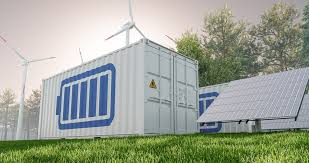
The study is expected to explore the deployment of 3,000–5,000 MWh of BESS capacity over the next three to five years. This scale of storage can help Kerala manage fluctuations in power demand, integrate intermittent renewable energy, and reduce reliance on fossil-fuel-based peaking plants. The assessment will also consider potential sites, technology selection, and regulatory compliance to ensure smooth implementation.
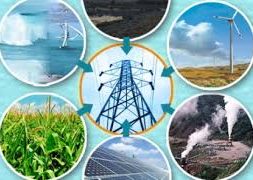
KSEB’s push for BESS projects comes as renewable energy, particularly solar power, contributes an increasing share to the state’s electricity mix. Energy storage is seen as a crucial enabler for balancing supply and demand, allowing excess renewable power to be stored and used when needed. This approach supports Kerala’s clean energy transition while maintaining reliability for consumers.
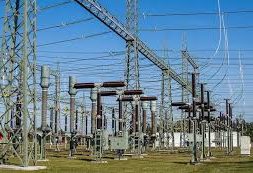
The Kerala State Electricity Regulatory Commission (KSERC) has already approved four grid-scale BESS installations at key substations in Sreekantapuram, Pothencode, Mulleria, and Areacode. Collectively, these projects account for 125 MW/500 MWh of storage capacity. These approvals reflect the regulatory support and strategic intent to build a resilient, modern electricity grid across the state.
KSEB’s focus on battery storage also signals its commitment to adopting global best practices in power system management. By leveraging advanced BESS technology, the state can better handle peak load conditions, reduce energy losses, and optimize grid operations. These steps are expected to improve overall system efficiency and reduce operational risks in Kerala’s power network.
The consulting firms will provide detailed insights on project design, cost estimates, financing models, and potential revenue streams. Their findings will guide KSEB in making informed investment decisions and structuring projects for maximum technical and financial viability. Such thorough analysis is critical to ensuring that BESS deployment meets the state’s long-term energy goals.
With these initiatives, Kerala is positioning itself as a leader in renewable energy integration and smart grid solutions in India. By adopting energy storage technologies, the state can support the increasing penetration of solar and other renewables, reduce curtailment, and provide reliable power to its citizens. This demonstrates a proactive approach toward sustainable energy planning.
