


Major Transmission Boost Planned to Integrate 7 GW Solar Capacity into National Grid – EQ











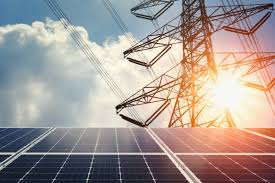
In Short : Montecarlo has secured a major transmission project to evacuate 7 GW of solar power, strengthening renewable integration into the grid. The project involves developing high-capacity transmission lines and substations to transfer solar electricity from generation zones to demand centers. The initiative will reduce curtailment, enhance grid stability, and support large-scale renewable energy expansion across regions.
In Detail : Montecarlo has secured a significant transmission infrastructure project aimed at evacuating nearly 7 GW of solar power from renewable-rich regions to major consumption centers. The development represents a critical step in strengthening grid connectivity and ensuring that large-scale solar capacity can be efficiently integrated into the power system without bottlenecks or transmission constraints.
The project involves the construction of high-voltage transmission lines, pooling substations, and associated grid infrastructure designed to handle large volumes of renewable electricity. These assets will play a vital role in transferring power from solar parks located in high-irradiation areas to state and national grids where demand is concentrated, ensuring reliable delivery of clean energy.
As solar capacity continues to expand rapidly, transmission infrastructure becomes equally important to avoid curtailment. Without adequate evacuation networks, renewable generation often faces limitations during peak production hours. The new system will help maximize utilization of solar assets and improve the efficiency of power dispatch across regions.
The planned transmission network is expected to support multiple upcoming solar projects and create a strong backbone for future renewable additions. By enabling large-scale evacuation, the infrastructure will reduce congestion and provide flexibility for integrating additional solar and hybrid renewable projects over time.
The development will also contribute to grid stability by improving power flow management. High-capacity substations and interconnections will allow better voltage regulation, load balancing, and frequency support. This will enhance operational reliability as renewable penetration increases within the overall energy mix.
The project is anticipated to be implemented under a competitive framework that emphasizes timely execution and cost efficiency. Such models encourage private sector participation in transmission development, accelerating deployment of critical infrastructure required for renewable energy growth.
Construction activities will involve engineering, procurement, installation, and commissioning of transmission components. This will generate employment opportunities and stimulate local economic activity while strengthening the supply chain for towers, conductors, transformers, and substation equipment.
The evacuation system will also improve regional power exchange by enabling clean energy to flow across state boundaries. This enhances flexibility in power procurement and supports utilities in meeting renewable purchase obligations while maintaining affordability for consumers.
With renewable energy capacity expanding rapidly, transmission projects of this scale are becoming increasingly important. The 7 GW evacuation infrastructure will help unlock solar potential, reduce dependency on conventional generation, and support long-term decarbonization of the power sector while ensuring reliable electricity supply.
