








In Short : Maharashtra State Electricity Distribution Company Limited has received approval to de-link the Mukhyamantri Saur Krushi Vahini Yojana 2.0 from the PM-KUSUM scheme. The decision allows the state to independently implement solar feeder projects for agricultural supply, aiming to accelerate renewable energy deployment, improve daytime power availability for farmers, and strengthen Maharashtra’s efforts toward sustainable and reliable rural electricity infrastructure.
In Detail : Maharashtra State Electricity Distribution Company Limited has been granted approval to de-link the Mukhyamantri Saur Krushi Vahini Yojana 2.0 from the PM-KUSUM scheme, allowing the state to move forward with the solar feeder program independently. The decision is expected to streamline project implementation and enable Maharashtra to accelerate the development of solar-powered agricultural feeders across the state.
The Mukhyamantri Saur Krushi Vahini Yojana was launched with the objective of providing reliable daytime electricity to farmers through dedicated solar power generation for agricultural feeders. By installing decentralized solar plants near substations, the program aims to reduce transmission losses while ensuring a stable and predictable electricity supply for irrigation needs.
Previously, the scheme had linkages with the central government’s PM-KUSUM initiative, which supports solarization of agriculture through different program components. However, de-linking the state scheme allows the distribution company and state authorities to adopt greater flexibility in project planning, implementation timelines, and financing structures.
One of the major goals of the solar feeder program is to shift agricultural electricity supply from nighttime to daytime hours. Traditionally, farmers in many regions receive power during late-night hours due to grid constraints, which can be inconvenient and sometimes unsafe. Solar feeder systems help ensure that electricity is available during daylight hours when irrigation activities are typically carried out.
The expansion of solar feeders under the revised program will also contribute to reducing the financial burden on the distribution utility. Agricultural power consumption is often heavily subsidized, and generating electricity through local solar plants can help lower long-term procurement costs while improving operational efficiency.
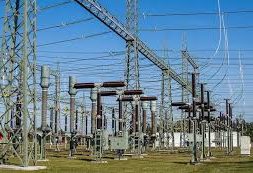
Decentralized solar projects installed near substations can help reduce power losses and improve grid stability in rural areas. By producing electricity close to the point of consumption, the system minimizes transmission requirements and ensures more reliable supply to agricultural consumers.
The program also creates opportunities for landowners and developers to participate in solar energy generation by leasing land for solar installations. This approach supports rural economic development while enabling faster deployment of renewable energy infrastructure in farming regions.
In addition to supporting farmers, the initiative contributes to Maharashtra’s broader renewable energy and climate objectives. Expanding solar generation within the agricultural sector helps reduce reliance on conventional power sources and supports the state’s transition toward cleaner energy systems.
Overall, the approval to de-link MSKVY 2.0 from the central scheme provides Maharashtra with greater autonomy in implementing its solar feeder strategy. The move is expected to accelerate renewable energy deployment in rural areas while improving electricity access, agricultural productivity, and sustainability across the state’s power distribution network.
