








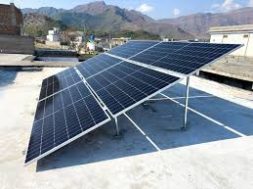
In Short : NCRTC has begun installing solar panels along the Delhi–Meerut rapid rail corridor to boost clean-energy generation. The project uses unused trackside areas to produce solar power for stations and operations, lowering electricity costs and carbon emissions. This step strengthens NCRTC’s sustainability strategy and supports greener public transport across the region while improving long-term energy efficiency.
In Detail : NCRTC has initiated the installation of solar panels along the Delhi–Meerut rapid rail corridor, marking a major step toward greener transportation in the region. The organisation aims to utilise vacant spaces near the tracks to tap solar energy efficiently. This approach reflects NCRTC’s long-term sustainability vision, focused on reducing dependence on conventional power. The project supports India’s broader clean-energy goals. It also highlights the growing shift toward renewable infrastructure. Such initiatives are expected to redefine how urban transit systems manage energy demand.
By integrating solar technology with rail infrastructure, NCRTC plans to significantly cut operational electricity expenses. The panels will help power essential systems at stations and depots. This includes lighting, ventilation and other day-to-day functions that require a steady supply. Using solar energy will also make the corridor more self-sufficient. Over time, this can improve financial sustainability. It ensures reduced strain on external power sources.
The project demonstrates how transportation corridors can become energy-generating assets. Instead of leaving stretches of land unused, NCRTC is adopting a productive and eco-friendly model. As the rapid rail network expands, similar installations may follow. This opens the door for more innovative energy solutions. Such integration is becoming common worldwide. India’s transit ecosystem is steadily moving in the same direction.
The solar rollout is part of a broader plan to minimise the carbon footprint of the Delhi–Meerut corridor. Rail systems traditionally rely heavily on grid power. By shifting to cleaner alternatives, NCRTC aims to lead by example within the sector. The move showcases a responsible approach to urban mobility. It is expected to encourage other metro and rail agencies. Sustainable transit is increasingly viewed as essential for modern cities.
The panels are being installed in phases to ensure smooth progress without disrupting ongoing services. A systematic approach allows engineering teams to work safely and efficiently. This phased method also helps maintain quality control. Each segment undergoes checks before moving forward. NCRTC is prioritising durability and performance in its installations. Long-term reliability is a key focus.
The initiative’s environmental benefits extend well beyond lower emissions. Solar power lowers the long-term operational burden on the corridor. It also offers resilience during periods of high grid demand. With energy needs rising region-wide, such measures strengthen system stability. NCRTC’s emphasis on renewable energy aligns with national commitments. Cleaner transit solutions are becoming a necessity. The corridor’s green credentials will strengthen significantly.
Public response to the initiative has been largely positive, especially among commuters supportive of sustainability. People increasingly expect modern transport systems to adopt eco-friendly practices. NCRTC’s project reflects these expectations. It builds trust and enhances the corridor’s reputation. Renewable projects often draw wide appreciation. This installation is no exception. The initiative signals progress in responsible transit planning.
Experts believe that the Delhi–Meerut corridor could set a benchmark for renewable-linked transport projects. As urban rail networks continue to expand in India, integrated solar systems may become standard. The project provides a clear example of practical implementation. It demonstrates financial and environmental feasibility. Such outcomes can influence future policy decisions. The success of this initiative will be closely watched.
NCRTC’s solar adoption ultimately strengthens the region’s push toward modern and sustainable mobility. The rapid rail corridor is expected to benefit substantially from stable, low-cost power generation. Renewable energy will support long-term operational efficiency. It will also contribute to greener travel for millions of passengers. This marks a defining shift for the network. The initiative underscores the role of innovation in shaping the future of public transportation.
