



Odisha Proposes Comprehensive EV Policy 2025 to Drive Sustainable Mobility and Green Transport – EQ








In Short : Odisha has unveiled its draft Electric Vehicle (EV) Policy 2025 to promote green mobility and reduce carbon emissions. The policy aims to incentivize EV manufacturing, charging infrastructure, and adoption across the state. By supporting sustainable transportation, Odisha seeks to enhance clean energy use, attract investments, and position itself as a leader in India’s transition toward eco-friendly mobility solutions.
In Detail : Odisha has released its draft Electric Vehicle (EV) Policy 2025, aiming to boost green mobility and reduce the state’s carbon footprint. The policy is designed to encourage adoption of electric vehicles across personal, commercial, and public transport segments, aligning with India’s broader clean transportation goals.
The draft policy outlines incentives for EV buyers, including subsidies and tax benefits, to make electric vehicles more affordable. Reduced registration fees and financial support for EV purchases are expected to accelerate adoption among individual consumers and fleet operators.
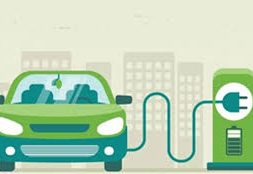
To support widespread EV use, Odisha plans to expand charging infrastructure across urban and rural areas. Public charging stations, fast chargers, and private network integration are part of the strategy to ensure convenient access for all vehicle owners.
The policy also focuses on promoting local EV manufacturing and assembly units. By encouraging domestic production, Odisha aims to generate employment, attract investment, and reduce dependence on imported components, strengthening the state’s green mobility ecosystem.
Fleet operators, including taxis, buses, and delivery services, will be incentivized to transition to electric vehicles. This will not only reduce emissions from public transport but also lower operational costs for businesses, promoting sustainable and economically viable solutions.
Research, development, and skill-building initiatives are emphasized in the draft policy. Training programs for technicians, engineers, and service providers will ensure the state has the workforce needed to support the growing EV industry and associated technologies.
Odisha’s government is also considering policies to integrate EVs with renewable energy sources. Charging stations powered by solar or wind energy can further reduce carbon emissions, making the transition to electric mobility even more environmentally sustainable.
Stakeholders, including industry players, investors, and citizens, are invited to provide feedback on the draft policy. This consultative approach aims to refine the strategy, address challenges, and ensure that the final policy meets the needs of all participants in the EV ecosystem.
