










In Short : India needs a dedicated scheme for EV charging powered by distributed renewables to reduce grid stress, cut carbon emissions, and expand clean mobility to rural areas. Such a policy would align with India’s solar push, boost energy security, lower fossil fuel imports, and promote job creation—ensuring EVs are truly green and accessible across diverse geographies.
In Detail : India’s growing electric vehicle (EV) market presents both a massive opportunity and a significant challenge. As more EVs hit the roads, the demand for accessible and sustainable charging infrastructure increases. Without strategic planning, this could strain the already overburdened power grid, especially during peak hours, leading to inefficiencies and reliability concerns.
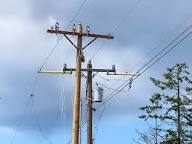
One viable solution is to link EV charging stations with distributed renewable energy sources like rooftop solar and small wind systems. By generating power locally, these systems can ease grid pressure, reduce transmission losses, and ensure a greener energy supply for vehicles. This approach supports India’s broader climate goals while improving the resilience of its energy system.
Charging EVs with electricity generated from coal or other fossil fuels limits the environmental benefits of EV adoption. To truly decarbonize the transport sector, the energy powering EVs must come from clean sources. A dedicated national scheme can mandate and incentivize this linkage, ensuring EVs contribute to a net reduction in emissions.
In many rural and semi-urban areas, reliable grid access is limited. Distributed renewable energy can help bridge this gap, enabling the setup of EV charging infrastructure in these underserved regions. This would accelerate EV adoption beyond urban centers and promote equitable access to sustainable transport options.
India’s push toward solar energy and renewable capacity expansion creates a strong foundation for such a scheme. Integrating EV charging with distributed renewable systems would further optimize these investments, reduce reliance on fossil fuel imports, and enhance energy security. It also supports the country’s long-term economic and environmental strategies.
Beyond environmental and energy advantages, this approach would spur local employment and innovation. Developing and maintaining decentralized renewable-powered charging systems would create green jobs and support domestic industries in solar, storage, and power management technologies. A dedicated scheme would catalyze this ecosystem, ensuring India’s transition to electric mobility is clean, inclusive, and future-ready.
