


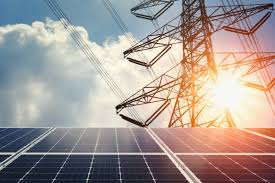
Rajasthan Budget 2026 Prioritises Energy Security with ₹2,900 Crore Push for Solar and Grid Infrastructure – EQ






In Short : Rajasthan Budget 2026 has earmarked ₹2,900 crore for strengthening energy security through investments in solar parks, grid modernisation, and power infrastructure. The allocation reflects the state’s commitment to expanding renewable capacity, improving transmission systems, and ensuring reliable electricity supply to support economic growth and long-term sustainability goals.
In Detail : Rajasthan Budget 2026 has placed strong emphasis on energy security by allocating ₹2,900 crore toward the development of solar parks, grid upgrades, and supporting power infrastructure. The move highlights the state government’s intention to capitalise on Rajasthan’s vast renewable energy potential while strengthening the overall reliability of the electricity system.
A significant portion of the allocation is directed toward the expansion of large-scale solar parks. Rajasthan, already one of India’s leading solar power producers, aims to further increase its installed capacity by developing new projects and expanding existing solar clusters across high-irradiation regions.
Grid modernisation forms another critical component of the budgetary focus. Investments will be made in upgrading transmission lines, substations, and digital grid management systems to ensure that growing renewable power generation can be efficiently evacuated and integrated into the state and national grids.
Energy security is a central theme underlying these investments. With rising electricity demand from industries, agriculture, and urban centres, the state needs a robust and resilient power system capable of delivering uninterrupted supply even during peak periods.
The budget also reflects a strategic shift toward reducing dependence on conventional fossil fuels by increasing the share of renewable energy in the power mix. Solar power not only supports climate objectives but also helps lower long-term generation costs and enhances energy independence.
From an economic standpoint, the ₹2,900 crore allocation is expected to stimulate investments, create employment opportunities, and strengthen local supply chains related to solar manufacturing, construction, and operations.
The enhanced focus on grid infrastructure is equally important for enabling future technologies such as energy storage, electric mobility, and green hydrogen. A strong grid backbone is essential for managing variable renewable energy and supporting emerging clean energy applications.
Policy experts view Rajasthan’s approach as aligned with national clean energy priorities. By investing in both generation and transmission, the state is adopting a holistic strategy that addresses structural challenges in renewable energy deployment.
Overall, Rajasthan Budget 2026 signals a decisive commitment to building a secure, sustainable, and future-ready power system. The combined focus on solar parks, grid upgrades, and energy resilience positions the state as a key driver of India’s renewable energy and energy security agenda.
