






In Short : A new report highlights that while India’s renewable energy share is increasing steadily, dependence on imported oil and gas continues to rise. Growing energy demand across sectors is driving fossil fuel consumption despite clean energy expansion. The findings underline the need for accelerated renewable deployment, electrification, and green fuels to reduce import reliance and strengthen long-term energy security.
In Detail : A recent report indicates that India’s share of renewable energy in the overall power mix has been increasing, reflecting continued expansion of solar, wind, and other clean energy sources. However, despite this progress, the country’s dependence on imported oil and natural gas has also grown. Rising energy demand across transportation, industry, and urban consumption is driving higher fossil fuel imports.
The increase in renewable capacity has helped reduce emissions intensity in the power sector. Solar and wind additions are replacing part of conventional coal and gas-based generation. This transition is improving the sustainability of electricity production while supporting climate commitments. However, growth in electricity demand means fossil fuels still play a significant role.
Oil consumption continues to rise primarily due to transportation demand. Rapid urbanization, expanding logistics networks, and increased vehicle ownership are pushing petroleum product consumption higher. Since India imports a large share of crude oil, this leads to greater exposure to global price volatility and geopolitical supply risks.
Natural gas demand has also increased across sectors such as fertilisers, city gas distribution, and power generation. Gas is often used as a transition fuel due to its relatively lower emissions compared to coal. However, domestic gas production has not kept pace with demand growth, resulting in higher imports of liquefied natural gas.
The report highlights that renewable growth alone is not sufficient to reduce overall import dependence. While renewables are expanding in the electricity sector, oil and gas dominate transportation, industry, and petrochemical applications. This structural dependence continues to drive fossil fuel imports despite clean energy expansion.
Electrification of transport and industry is seen as a key pathway to address this imbalance. Adoption of electric vehicles, electrified heating, and renewable-powered industrial processes can reduce oil and gas consumption. These transitions require infrastructure development and policy support to scale effectively.
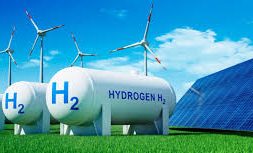
Green hydrogen and biofuels are also emerging as alternatives to imported fossil fuels. These fuels can replace natural gas and petroleum products in hard-to-abate sectors. Expanding domestic production of such fuels can help diversify energy sources and reduce import reliance over time.
Improving energy efficiency is another important strategy highlighted in the report. Efficient appliances, industrial processes, and transportation systems reduce overall fuel demand. Lower consumption directly reduces import requirements and strengthens energy security.
Overall, the report underscores a dual trend in India’s energy landscape. While renewable energy share is rising and supporting decarbonisation, growing demand continues to increase oil and gas imports. Accelerated clean energy deployment, electrification, and alternative fuels will be essential to reduce dependence and build a more secure and sustainable energy system.
